
Why the Pope Washed the Feet of Migrants

Posted on by

Why the Pope Washed the Feet of Migrants
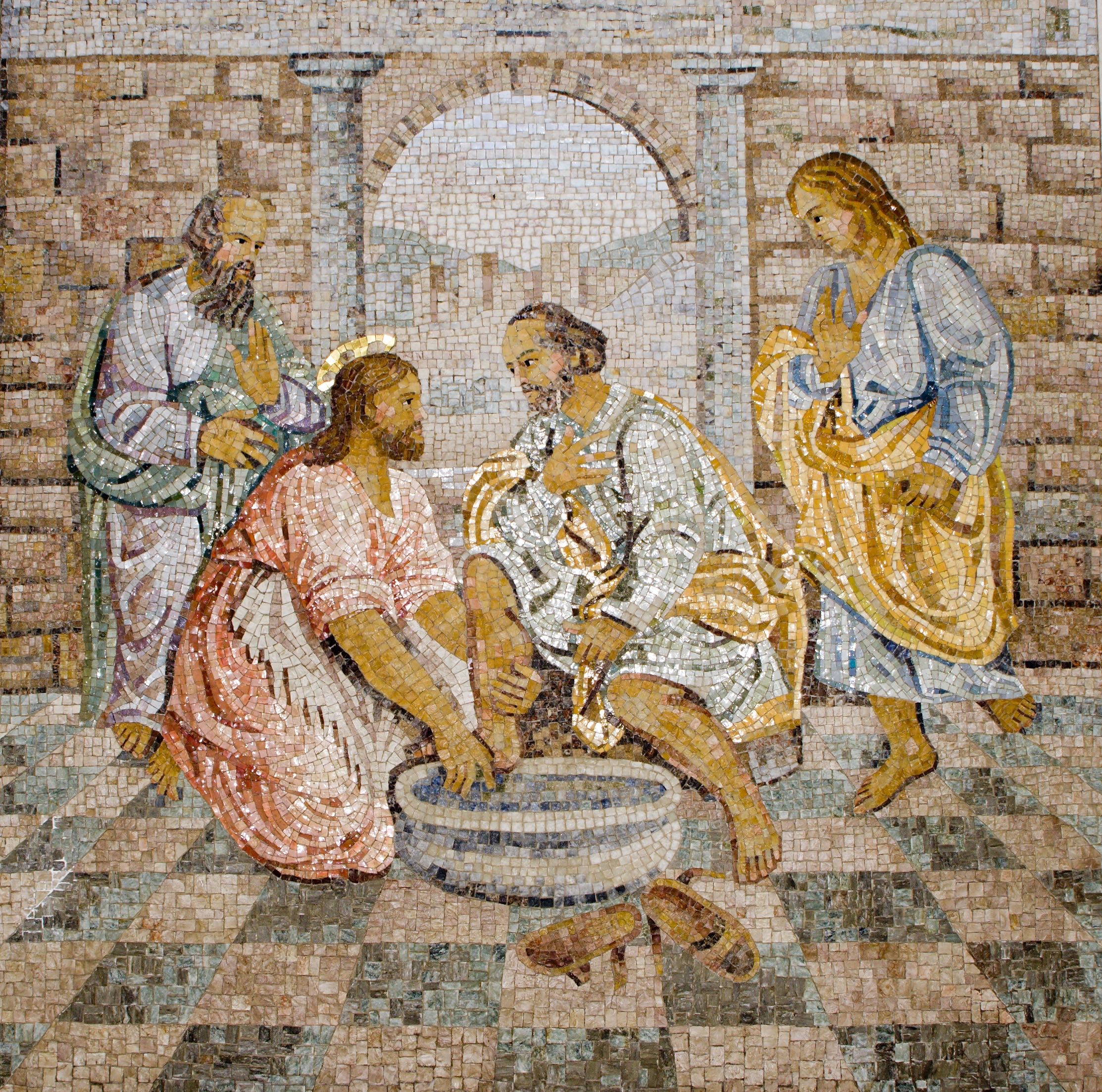
A pope washing migrants feet

Most people, even if they don’t have a Christian background, understand the reason Easter is celebrated in the church. There are a number of customs that can seem strange to outsiders, especially when the event is highly publicized. For example, just recently Pope Francis made headlines around the world because he washed and kissed the feet of Muslim, Hindu, and Christian refugees. If you’re wondering why it’s such a big deal, here is a basic primer on foot washing.

Biblical References to the Custom

In ancient cultures, sandals were the most common footwear. Hosts would provide water and towels for guests to wash their feet when they came to visit. Foot washing was just a custom of hospitality. In the Bible, the Old Testament references the practice in I Samuel, when Abigail offers to wash the feet of King David’s servants. In this passage, foot washing is a sign of humility, where the hostess lowers herself to a servant’s job in order to honor her guest. However, the custom is also mentioned in many other books of the Torah.

The practice of foot washing is not limited to the Old Testament. In the New Testament, Mary of Bethany used precious oils to anoint the feet of Jesus to thank him for raising her brother, Lazarus, from the dead. A few days later, Jesus took the time to wash the feet of his disciples during what Christians call the Last Supper. He did this as an example for them, to tell them that “…the servant is not greater than his lord…” (John 13:15)

Many religions now associate the practice with their Holy Week services. Multiple rites are performed the week before Easter. Thursday before Easter is called Maundy Thursday. The word “maundy” is from the Latin, and it means “command.” Jesus commanded his disciples to “love one another as (he) loved (them).” On Maundy Thursday, the religious leader in the church washes the feet of his/her congregants.

Pope Francis Changed Tradition

In the Roman Catholic Church, the foot-washing tradition was not connected to the Maundy Thursday mass until Pope Pius XII made it part of the mass. Traditionally, 12 men or boys were chosen to have their feet washed by the Pope with help from his ministers. For many years, this ritual has been restricted to the men. Pope Francis broke with tradition in 2013 and washed the feet of two women during the Mass of Maundy Thursday. In January 2016, Pope Francis actually revised the Roman Missal to permit women to take part in this rite.

Another tradition in the RCC was that only Catholics could take part in the Maundy Thursday ritual of foot washing. Pope Francis again broke with tradition when he included both men and women who were not only not Catholic, but not even Christian. Of the eight men who took part in the ceremony, four were Catholic refugees from Nigeria, three were Muslims from Mali, Syria, and Pakistan, and one was a Hindu man.

Pope Francis has worked hard to be an example of living in peace with other religions and cultures. Opening the foot washing ceremony to those who are not Christian demonstrates his inclusivity of all as “children of God.” Francis said, “We want to live in peace, integrated.”

Here is one of the most powerful leaders in the world, who is respected in countries that aren’t predominantly Catholic. Pope Francis humbled himself to serve refugees who are without a country. It is a big deal when you understand that historically, the RCC has been exclusive for so many years. You don’t have to be Christian to appreciate his message of living together in harmony, even with those who don’t share your beliefs.

Why the Pope Washed the Feet of Migrants
A pope washing migrants feet

Most people, even if they don’t have a Christian background, understand the reason Easter is celebrated in the church. There are a number of customs that can seem strange to outsiders, especially when the event is highly publicized. For example, just recently Pope Francis made headlines around the world because he washed and kissed the feet of Muslim, Hindu, and Christian refugees. If you’re wondering why it’s such a big deal, here is a basic primer on foot washing.

Biblical References to the Custom

In ancient cultures, sandals were the most common footwear. Hosts would provide water and towels for guests to wash their feet when they came to visit. Foot washing was just a custom of hospitality. In the Bible, the Old Testament references the practice in I Samuel, when Abigail offers to wash the feet of King David’s servants. In this passage, foot washing is a sign of humility, where the hostess lowers herself to a servant’s job in order to honor her guest. However, the custom is also mentioned in many other books of the Torah.

The practice of foot washing is not limited to the Old Testament. In the New Testament, Mary of Bethany used precious oils to anoint the feet of Jesus to thank him for raising her brother, Lazarus, from the dead. A few days later, Jesus took the time to wash the feet of his disciples during what Christians call the Last Supper. He did this as an example for them, to tell them that “…the servant is not greater than his lord…” (John 13:15)

Many religions now associate the practice with their Holy Week services. Multiple rites are performed the week before Easter. Thursday before Easter is called Maundy Thursday. The word “maundy” is from the Latin, and it means “command.” Jesus commanded his disciples to “love one another as (he) loved (them).” On Maundy Thursday, the religious leader in the church washes the feet of his/her congregants.

Pope Francis Changed Tradition

In the Roman Catholic Church, the foot-washing tradition was not connected to the Maundy Thursday mass until Pope Pius XII made it part of the mass. Traditionally, 12 men or boys were chosen to have their feet washed by the Pope with help from his ministers. For many years, this ritual has been restricted to the men. Pope Francis broke with tradition in 2013 and washed the feet of two women during the Mass of Maundy Thursday. In January 2016, Pope Francis actually revised the Roman Missal to permit women to take part in this rite.

Another tradition in the RCC was that only Catholics could take part in the Maundy Thursday ritual of foot washing. Pope Francis again broke with tradition when he included both men and women who were not only not Catholic, but not even Christian. Of the eight men who took part in the ceremony, four were Catholic refugees from Nigeria, three were Muslims from Mali, Syria, and Pakistan, and one was a Hindu man.

Pope Francis has worked hard to be an example of living in peace with other religions and cultures. Opening the foot washing ceremony to those who are not Christian demonstrates his inclusivity of all as “children of God.” Francis said, “We want to live in peace, integrated.”

Here is one of the most powerful leaders in the world, who is respected in countries that aren’t predominantly Catholic. Pope Francis humbled himself to serve refugees who are without a country. It is a big deal when you understand that historically, the RCC has been exclusive for so many years. You don’t have to be Christian to appreciate his message of living together in harmony, even with those who don’t share your beliefs.

Comments are closed.

Comments are closed.