
To Cake or Not to Cake?
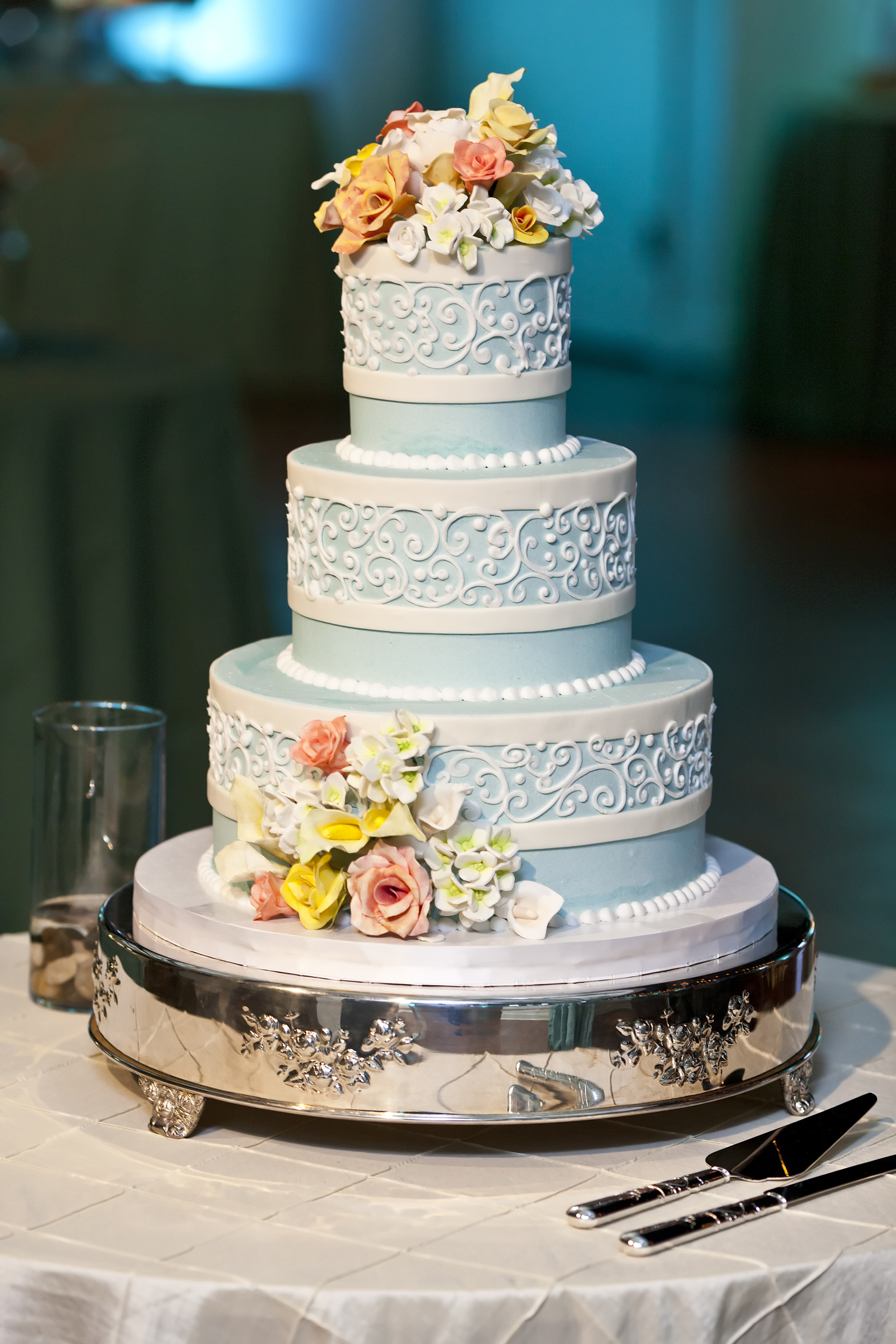
Ah, the classic wedding cake. You’re probably picturing a three-layer confection of white fondant-covered sugary fluff festooned in sparkly designs, flowers, geometric patterns or even gemstones. It almost looks too pretty to eat, right? Surprisingly, some wedding guests and couples-to-be might agree with you. For a variety of reasons, some engaged pairs are opting to ditch the customary bridal cake. Before you decide to forgo this classic confection, here are a few things you should consider.
Do Guests Actually Eat Wedding Cake?
Cakes have become a staple for nuptials in the Western world since they debuted as towering wonders covered in marzipan and icing in 18th century England. One also makes up a small chunk of your nuptial day budget, with DIY Weddings Magazine pricing these sweet treats at between $500 and $1000. With these facts and figures, you might be disturbed to learn that some experts insist guests aren’t partaking of these towers of goodness. Lindsay Goldberg Jones of Woman Getting Married declared that couples can safely bypass ordering a cake that according to her, “most guests won’t even eat.” A guest post by a caterer on OffBeat Bride further muddles the matter by stating that many couples won’t need as much cake as they order and that fondant isn’t as popular as one may believe.
So…What’s the Truth?
Anecdotal evidence suggests, however, that the popularity of wedding cakes can vary widely. A quick browse of nuptial planning discussion boards reveals that some couples have more left over of their gorgeous dessert than they bargained for, while others relate that everything except the top layer they freeze and save was devoured with gusto. Many factors can impact how much cake is eaten by your attendees, including dietary restrictions, the presence of other dessert choices and personal flavor preferences. If pies, donuts and other goodies are available, some will nosh on those instead of your cake.
Also, the flavors you pick may impact whether guests eat the cake. Although you might like bolder possibilities such as orange blossom, honey lavender and lemon basil, guests with less adventurous palates or who have specific sensory sensitivities may shy away from them. You’re probably familiar with the preferences of your crowd, so let this knowledge guide you. If you think traditional flavors are safer with your attendees, you can always try a new take on them. As suggested by this Martha Stewart Weddings piece, chocolate can easily be a gateway to something unusual, like a S’mores cake.
Let Them Eat Cake!
If getting value for your money is a major concern, Goldberg Jones also gives some sage advice to save a bit of money:
- Choose buttercream icing instead of fondant
- Use food-safe, natural decorative touches over icing and sugar designs
- Select vanilla or chocolate flavors
Furthermore, Goldberg Jones suggests an unusual tip that can cut costs and provide a deliciously happy ending: using a smaller cake for display purposes paired with a sheet cake of the same flavor served to your guests. Most bakeries charge a price per slice and not a price per cake. With a smaller display confection and a larger sheet cake, you could significantly reduce the total price of your wedding day dessert.
If you have your heart set on a wedding cake but worry that your guests will steer clear of it, you do have some options at your disposal. First, make sure you’ve accounted for any dietary restrictions among your invitees. Secondly, pick flavors that you’re sure your crowd will love. You can also adopt a cost-conscious approach and serve a large sheet cake with the same flavors as your smaller display version. Whatever you decide, there’s no reason you can’t indulge in this sugary confection on your special day.

