
The Birthday of Buddha

Posted on by

The Birthday of Buddha
ThinkstockPhotos-486001139

To many Buddhists, Vesak is one of the most important celebrations in their faith. On Vesak, Buddhists rededicate to the dharma and their path. Flowers and offerings are brought to the temple. In the evening, there may be a candlelight vigil. Some communities even have parades and festivals. Usually, the celebration of Buddha’s birthday is close to Vesak, which makes for a fun celebration. Unlike Christmas, which has a set day in the Gregorian calendar, Buddha’s birthday is based on the Asian lunisolar calendars. It typically falls in the spring in either April or May but can often be as late as June in a leap year. In 2016, it falls on May 14.

Asian Celebrations

In many Asian countries, Buddha’s birthday is a national holiday. In South Korea, it is one of the largest cultural festivals within the nation. People hang lotus lanterns at the temples during the entire month. Temples often provide free meals and tea on Buddha’s birthday for all visitors. In Vietnam, before the fall of Saigon, Buddha’s birthday was a national holiday. That changed in 1975, but it is still celebrated there.

Malaysia celebrates Vesak Day by gathering at the temples at dawn for meditation. Throughout the day, many different festivities take place and food is given to the needy. There will be a candle processional to conclude the day. Sometimes, Buddhists will set caged animals free as a symbol of their enlightenment.

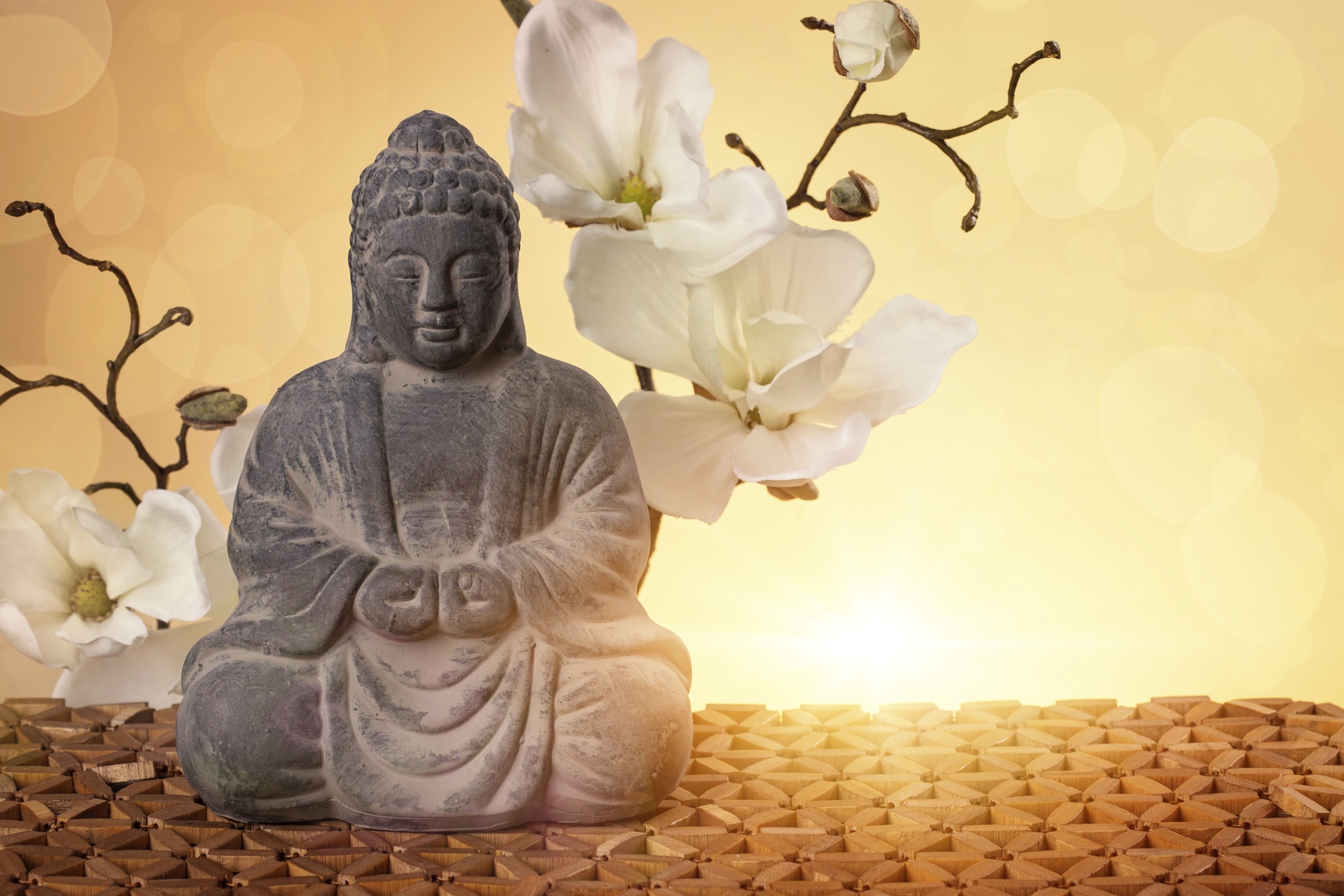
In Japan, the celebration is not a public holiday, but it is widely celebrated. There is a legend in Japan that a dragon came out of the sky on Buddha’s birthday and poured soma, a tea-like liquid, on him. One of the ways Buddha’s birthday is celebrated in Japan is by pouring sweet tea over the Buddha statues.

India also considers Buddha’s birthday, or Tathagata, a public holiday celebrated by the dates of the Indian calendar. People in this country may dress in white and will avoid all non-vegetarian food. One traditional food offering is kheer, representative of the milk porridge which Sujata offered to the Buddha.

Buddhism in Canada

Although Buddhists are one of the smallest minorities in Canada, there are still many opportunities to explore their culture. Soka Gakkai International is a lay Buddhist organization and has a Canadian website: sgicanada.org. It offers many resources for education about Buddhism. Representatives of SGI are available for exhibitions and school presentations to help your community learn more.

Toronto is probably the largest center of the Buddhist faith in Canada, but that’s not to say there aren’t groups throughout the provinces. On the website ahandfulofleaves.org, you can find a small booklet written by Bruce Matthews. Download “Buddhism in Canada” to understand how the faith grew in the nation. Matthews suggests that it was due to the refugees who entered the country in the latter part of the 20th century, but there are other factors at play. The A Handful of Leaves website offers many more reading materials to help understand the Buddhist culture.

The Tibetan Canadian Cultural Centre is in the city of Etobicoke, near Toronto, and offers many programs and services that are open to everyone. A small group of 500 Tibetans came to Canada in the 1970s seeking refuge. About 350 settled in Ontario, and now the community has around 4,000 individuals who want to preserve their culture in their new homeland.

Buddhism is often considered to be a philosophy, a way of life, and/or a religion. Many people are drawn to Buddhism because of the calmness it offers and the enlightenment it promises. You don’t have to agree with its teachings to appreciate its rich heritage and history. You build relationships when you understand the culture.


The Birthday of Buddha
ThinkstockPhotos-486001139

To many Buddhists, Vesak is one of the most important celebrations in their faith. On Vesak, Buddhists rededicate to the dharma and their path. Flowers and offerings are brought to the temple. In the evening, there may be a candlelight vigil. Some communities even have parades and festivals. Usually, the celebration of Buddha’s birthday is close to Vesak, which makes for a fun celebration. Unlike Christmas, which has a set day in the Gregorian calendar, Buddha’s birthday is based on the Asian lunisolar calendars. It typically falls in the spring in either April or May but can often be as late as June in a leap year. In 2016, it falls on May 14.

Asian Celebrations

In many Asian countries, Buddha’s birthday is a national holiday. In South Korea, it is one of the largest cultural festivals within the nation. People hang lotus lanterns at the temples during the entire month. Temples often provide free meals and tea on Buddha’s birthday for all visitors. In Vietnam, before the fall of Saigon, Buddha’s birthday was a national holiday. That changed in 1975, but it is still celebrated there.

Malaysia celebrates Vesak Day by gathering at the temples at dawn for meditation. Throughout the day, many different festivities take place and food is given to the needy. There will be a candle processional to conclude the day. Sometimes, Buddhists will set caged animals free as a symbol of their enlightenment.

In Japan, the celebration is not a public holiday, but it is widely celebrated. There is a legend in Japan that a dragon came out of the sky on Buddha’s birthday and poured soma, a tea-like liquid, on him. One of the ways Buddha’s birthday is celebrated in Japan is by pouring sweet tea over the Buddha statues.

India also considers Buddha’s birthday, or Tathagata, a public holiday celebrated by the dates of the Indian calendar. People in this country may dress in white and will avoid all non-vegetarian food. One traditional food offering is kheer, representative of the milk porridge which Sujata offered to the Buddha.

Buddhism in Canada

Although Buddhists are one of the smallest minorities in Canada, there are still many opportunities to explore their culture. Soka Gakkai International is a lay Buddhist organization and has a Canadian website: sgicanada.org. It offers many resources for education about Buddhism. Representatives of SGI are available for exhibitions and school presentations to help your community learn more.

Toronto is probably the largest center of the Buddhist faith in Canada, but that’s not to say there aren’t groups throughout the provinces. On the website ahandfulofleaves.org, you can find a small booklet written by Bruce Matthews. Download “Buddhism in Canada” to understand how the faith grew in the nation. Matthews suggests that it was due to the refugees who entered the country in the latter part of the 20th century, but there are other factors at play. The A Handful of Leaves website offers many more reading materials to help understand the Buddhist culture.

The Tibetan Canadian Cultural Centre is in the city of Etobicoke, near Toronto, and offers many programs and services that are open to everyone. A small group of 500 Tibetans came to Canada in the 1970s seeking refuge. About 350 settled in Ontario, and now the community has around 4,000 individuals who want to preserve their culture in their new homeland.

Buddhism is often considered to be a philosophy, a way of life, and/or a religion. Many people are drawn to Buddhism because of the calmness it offers and the enlightenment it promises. You don’t have to agree with its teachings to appreciate its rich heritage and history. You build relationships when you understand the culture.


Comments are closed.

Comments are closed.