
The United Nations has designated October 17 as the International Day for the Eradication of Poverty. According to Globalissues.org, over three billion people, or half of the world’s population, live on less than $3.29CAD per day. In Canada, according to the Standing Committee on Human Resources, about 14 percent of the population have what is called “low income.” That means they make less than half of the median income, but the group is not truly labeled poor. Lack of income is just one way of measuring poverty. Because Canada is one of the wealthiest countries in the world, we shouldn’t have almost five million people living without food or housing.
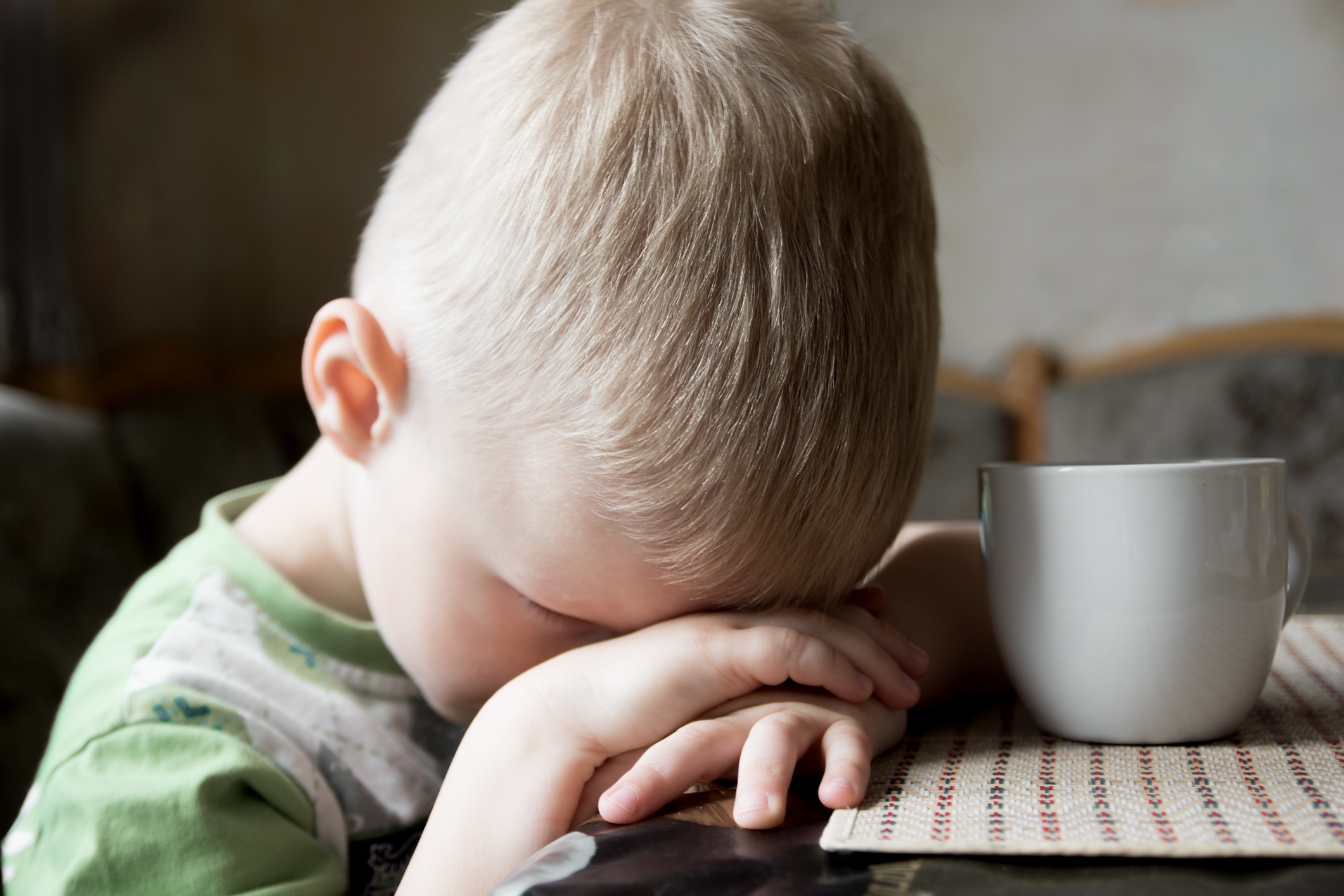
Although organizations measure poverty differently, it is agreed that certain subsets of Canadians are worse off than others. Aboriginal Canadians tend to make about 30 percent less than the rest of the population. Immigrants, seniors and those with disabilities are also at a higher risk of being affected by poverty. UNICEF measures child poverty, even in rich nations. Canada has 13.3 percent of its children living in poverty, compared to the average 11 percent in the other 35 economically advanced countries.
How Are You Affected By Poverty?
You may have a roof over your head and food in your refrigerator and get regular health care. However, poverty is a significant burden on the economy. It’s estimated that poverty costs Ontario about 6 percent of its Gross Domestic Product each year. Those who live in poverty have higher health care expenses, because their health is exacerbated by not having their basic needs met. Poverty shortens a person’s life by about 21 years. About 200,000 Canadians experience homelessness each year, and the figures are increasing due to the rising costs of housing and rising debt levels.
Personally, you may not ever experience poverty or have a reason to be concerned about knowing where your next meal is coming from. That’s not the reality for many of your neighbors. Whether or not you know these people, you should be aware of the effects of poverty on your community and the country. It takes more resources to help those individuals. Students who don’t have enough don’t learn effectively. Men and women who don’t have a home often don’t have a job. It hurts everyone when those people have to be supported.
A Plan to Reduce Poverty
In 2016, the Standing Committee on Human Resources developed a National Anti-Poverty Plan that recommends how poverty can be eradicated in our country. It’s been argued that investing in reducing child poverty has a huge return on future spending by the government in social assistance, criminal justice and the health system. This plan is comprehensive and considerate. It is guided by human rights, ensuring that those in need have dignity in getting assistance. It includes:
- Early childhood education and care that is publicly funded
- Investment for indigenous education and economic development
- Improvements to the Old Age Security and Guaranteed Income Supplement programs to lift seniors out of poverty
- Development of a policy concerning right to food
- Improving the nutritional programs in the country
- Implementing a national pharmacy program for prescription drug care for everyone
- Federal minimum wage increases
Many organizations will be pushing the government to make steps in reducing poverty in Canada. The plan has been released but not accepted by Parliament. Join the Twitter or Facebook feed of Citizens for Public Justice to follow its progress and to learn how you can help. It’s going to take each of us to work together to make a difference in the lives of all. “It is never acceptable for a rich country to do nothing about poverty, and now is certainly not the time,” said Leilani Farha, Canada Without Poverty’s Executive Director. “The rights of 4.8 million people are being violated and yet the Federal Government hardly seems concerned. Our plan lays out the framework for a successful national anti-poverty plan.”