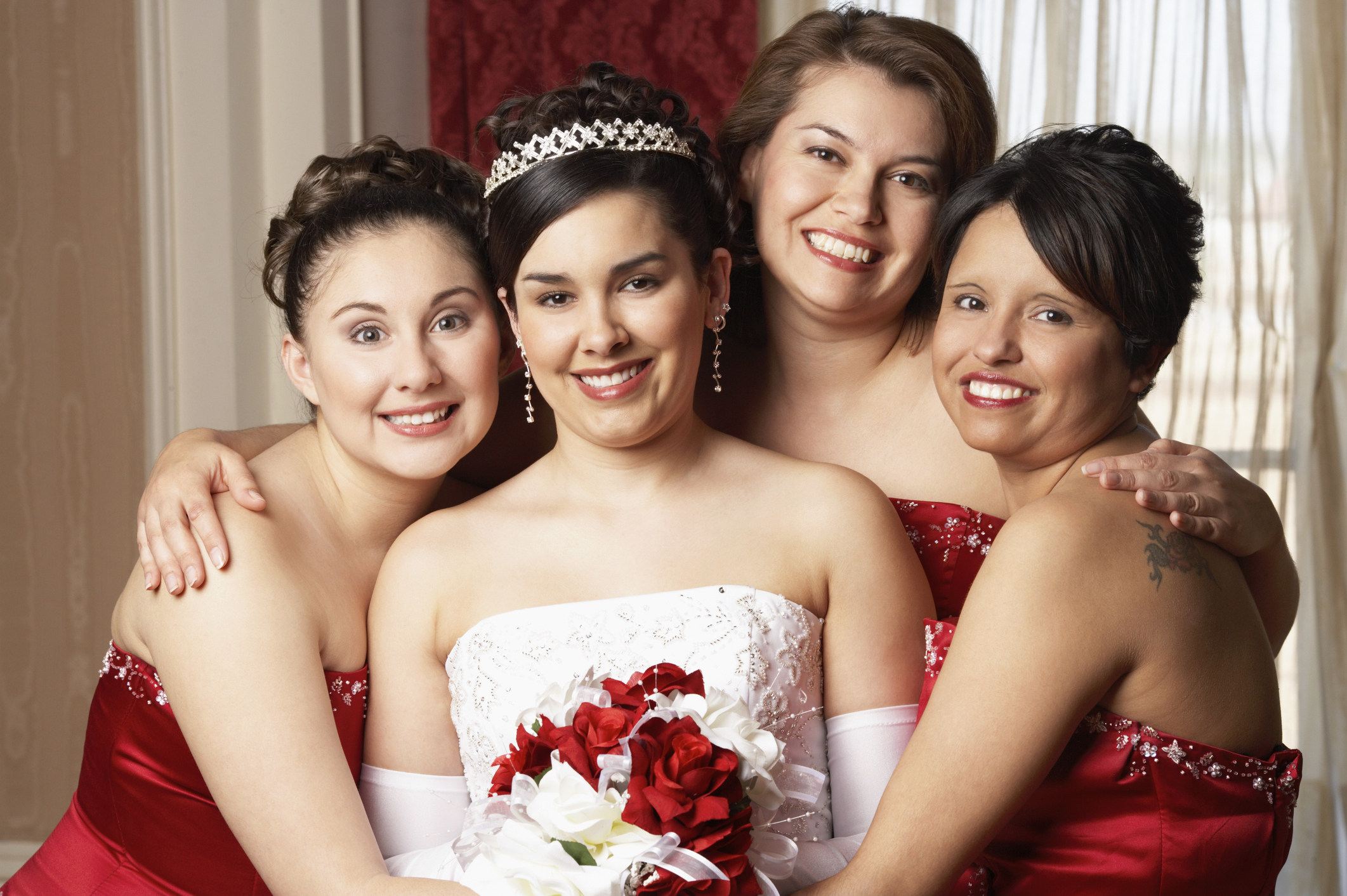
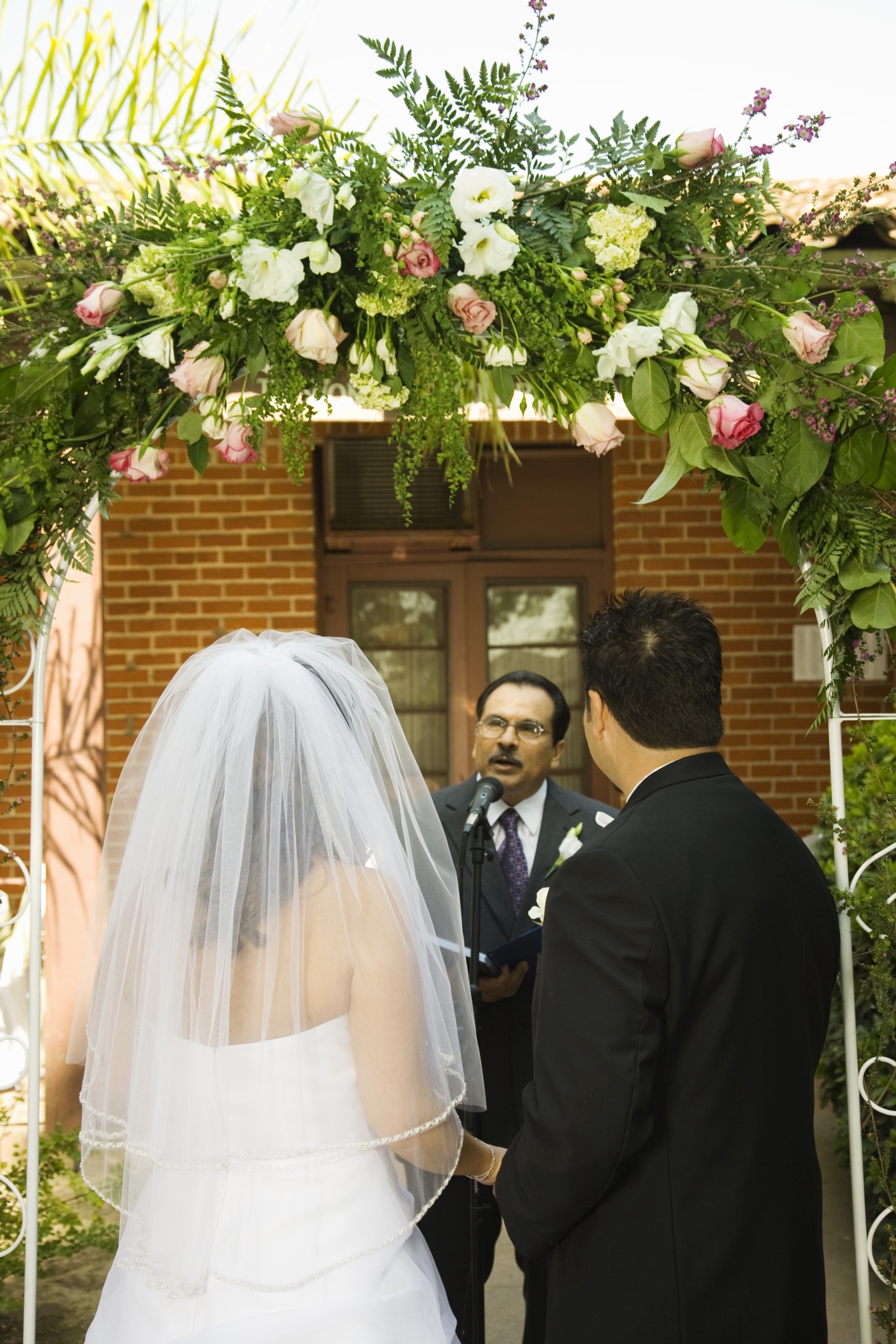
Tips for Writing Thank-You Notes for the Newly Married CoupleIt seems as if sending letters through the mail is passé. While most of the time it’s okay to send your friends an email or text instead of a snail-mail message, there are at least two times when electronic messages are discouraged. When you have a friend that passes away, you should take the time to write a note or card and mail it. This lets the family open it when they’re ready. It’s just good etiquette.
Thank-you notes for wedding gifts are another time when you (and your spouse) should send a handwritten note. Your guests took time to give you a special gift. It’s customary to send the thank-you in the mail. The task can be overwhelming, but it doesn’t have to be. Let’s look at some ways you can make it easier to get these notes out in the mail. You cannot post a generic thank-you on your website or send a form email to your guests.
As the Gifts Come In
- Be responsible and track what gifts you’ve received and from whom. This will make your life much easier later.
- Put someone in charge of tracking gifts at each shower and taping cards to gifts for later.
- Have someone you trust take care of wedding gifts received at the reception. Give that person a roll of tape to attach cards to gifts before transport.
- Spend one evening writing thank-you notes for bridal shower gifts. Ask your spouse to help. This eliminates having to write so many after the wedding.
- Acknowledge shipped gifts when you receive them, which is another way to save time after the wedding. This also lets the recipient know the gift has been received.
- Order custom thank-you cards before the wedding when you’re ordering invitations to have them ready to go. Have stamps on hand, too. This lets you choose the stamps you want to use.
- Print out return address labels or order them. Have two sets: one for before the wedding and one with your married name.
- Separate notes are required for each gift at each party. You should not write one note to one person who attended the engagement party, bridal shower and wedding and gave you three gifts.
After the Wedding When You’re Writing Notes
- Personalize each card. Reference the individual who gave you the gift and the gift itself.
- Don’t feel as if you have to gush. Just be enthusiastic.
- Don’t mention that you might return the gift.
- For monetary gifts, mention how you used the funds. It’s okay not to mention the amount, but you can if you choose.
- If you want to use wedding photos in the cards, make sure you can get them back promptly. Don’t delay sending notes because you’re waiting on photos.
- Don’t use form letters or a pre-printed card.
- Both of you should be involved in sending notes, no matter which side of the family gave the gift. This may be the first time you and your new spouse have to work together after the ceremony.
- Do the thank-you notes in batches, say 20 every evening. It won’t take long to knock them all out and you won’t get so burned out as you do them.
- If you aren’t familiar with the gift-giver, use formal greetings. It’s okay to address someone as “Mrs. Smith” if that’s how you know her.
- It’s also very nice to address their presence at the wedding. You might even wish to send notes to everyone who attended.
No, you don’t have a year to write thank-you notes. At one time, that might have been the rule, but it’s not today. Get those notes out ASAP, within a month of your wedding. Your job isn’t done until the thank-yous have been sent.
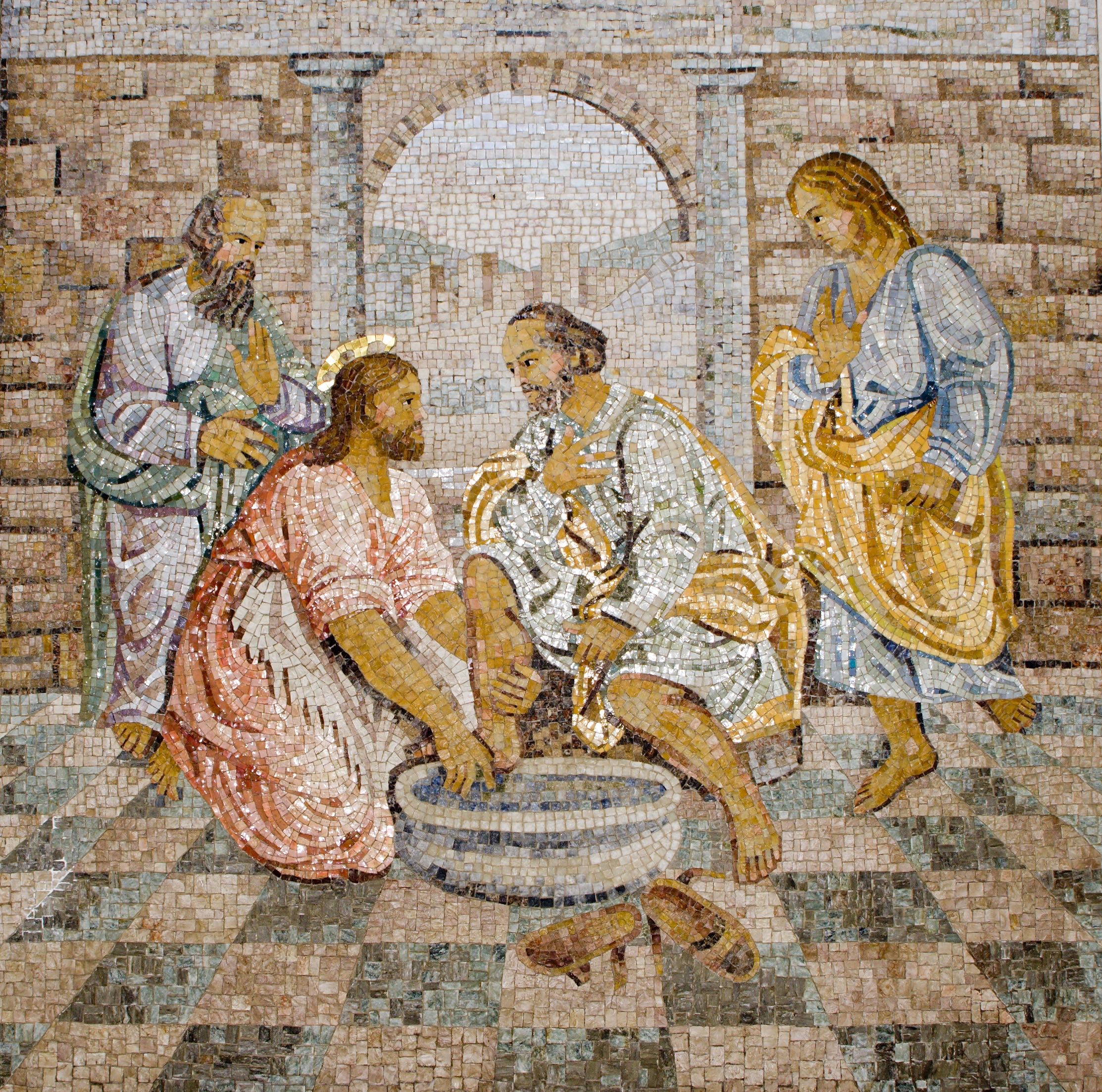
Why the Pope Washed the Feet of MigrantsMost people, even if they don’t have a Christian background, understand the reason Easter is celebrated in the church. There are a number of customs that can seem strange to outsiders, especially when the event is highly publicized. For example, just recently Pope Francis made headlines around the world because he washed and kissed the feet of Muslim, Hindu, and Christian refugees. If you’re wondering why it’s such a big deal, here is a basic primer on foot washing.
Biblical References to the Custom
In ancient cultures, sandals were the most common footwear. Hosts would provide water and towels for guests to wash their feet when they came to visit. Foot washing was just a custom of hospitality. In the Bible, the Old Testament references the practice in I Samuel, when Abigail offers to wash the feet of King David’s servants. In this passage, foot washing is a sign of humility, where the hostess lowers herself to a servant’s job in order to honor her guest. However, the custom is also mentioned in many other books of the Torah.
The practice of foot washing is not limited to the Old Testament. In the New Testament, Mary of Bethany used precious oils to anoint the feet of Jesus to thank him for raising her brother, Lazarus, from the dead. A few days later, Jesus took the time to wash the feet of his disciples during what Christians call the Last Supper. He did this as an example for them, to tell them that “…the servant is not greater than his lord…” (John 13:15)
Many religions now associate the practice with their Holy Week services. Multiple rites are performed the week before Easter. Thursday before Easter is called Maundy Thursday. The word “maundy” is from the Latin, and it means “command.” Jesus commanded his disciples to “love one another as (he) loved (them).” On Maundy Thursday, the religious leader in the church washes the feet of his/her congregants.
Pope Francis Changed Tradition
In the Roman Catholic Church, the foot-washing tradition was not connected to the Maundy Thursday mass until Pope Pius XII made it part of the mass. Traditionally, 12 men or boys were chosen to have their feet washed by the Pope with help from his ministers. For many years, this ritual has been restricted to the men. Pope Francis broke with tradition in 2013 and washed the feet of two women during the Mass of Maundy Thursday. In January 2016, Pope Francis actually revised the Roman Missal to permit women to take part in this rite.
Another tradition in the RCC was that only Catholics could take part in the Maundy Thursday ritual of foot washing. Pope Francis again broke with tradition when he included both men and women who were not only not Catholic, but not even Christian. Of the eight men who took part in the ceremony, four were Catholic refugees from Nigeria, three were Muslims from Mali, Syria, and Pakistan, and one was a Hindu man.
Pope Francis has worked hard to be an example of living in peace with other religions and cultures. Opening the foot washing ceremony to those who are not Christian demonstrates his inclusivity of all as “children of God.” Francis said, “We want to live in peace, integrated.”
Here is one of the most powerful leaders in the world, who is respected in countries that aren’t predominantly Catholic. Pope Francis humbled himself to serve refugees who are without a country. It is a big deal when you understand that historically, the RCC has been exclusive for so many years. You don’t have to be Christian to appreciate his message of living together in harmony, even with those who don’t share your beliefs.
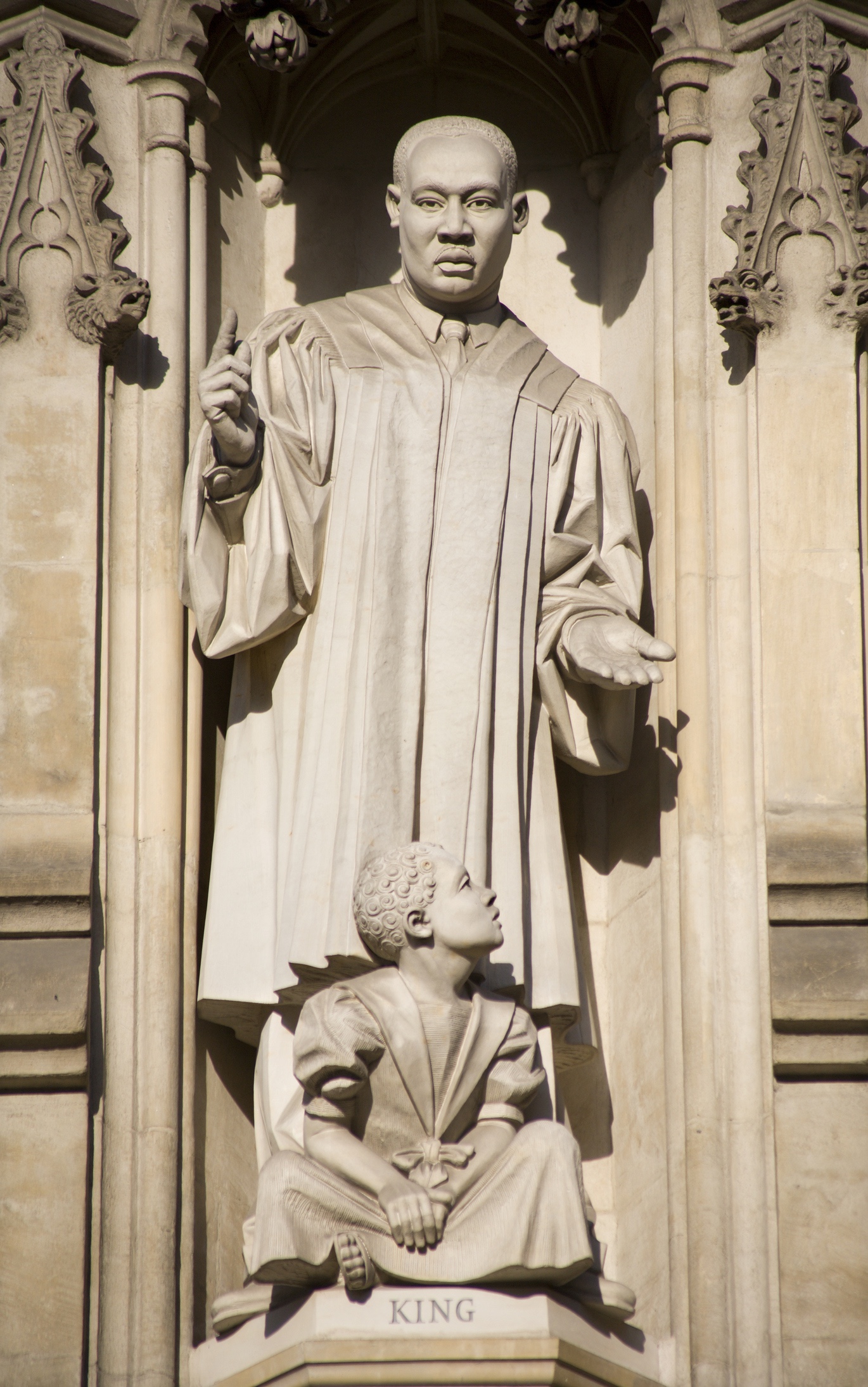
The Legacy of Martin Luther King Jr.In the United States, the birthday of Martin Luther King Jr. is celebrated on the third Monday of January. It’s a federal holiday, and government offices, schools and banks are closed. Here in Canada, Toronto recognizes the day, although most businesses and government offices remain open. King was important to the civil rights fight in the United States, but his legacy is international. He insisted on social change and asked the government to re-prioritize its efforts to focus on Americans instead of a war around the world.
It was 1967, Canada’s 100th birthday, when King was invited to speak at the Massey Lectures, an annual series dedicated to thinkers and philosophers. Here’s just one section from the famous lecture penned by King:
“Canada is not merely a neighbor to Negroes. Deep in our history of struggle for freedom Canada was the north star. The Negro slave, denied education, de-humanized, imprisoned on cruel plantations, knew that far to the north a land existed where a fugitive slave if he survived the horrors of the journey could find freedom. The legendary underground railroad started in the south and ended in Canada. The freedom road links us together.”
Janet Somerville, who would go on to become the General Secretary of the Canadian Council of Churches, believed King was a living prophet. She worked with King to record his message to the Canadian people, and a friendship was forged. In January 1968, King would ask her to come to America and work with him to “heal a sick nation.” Somerville deferred the appointment, requesting until fall to make a decision.
Just three months later, in April, King was assassinated. Somerville said the man was instrumental to finding her path in the church. Canada was a safe haven for African-Americans during the Civil War of the United States, and our country has fought for civil rights for all for a long time.
King’s Legacy
In 1964, King was awarded the Nobel Peace Prize. At the time, he was the youngest person to receive the award. He held at least 50 honorary doctorates and degrees from universities around the world. One is from Newcastle University, in the United Kingdom. He was the first African-American so honoured by the University. He was given a posthumous Presidential Medal of Freedom. Time magazine named him as the Person of the Year in 1963. Thirty-seven years later, he was listed as number six in the Person of the Century poll by the magazine.
His legacy is not limited to the United States, although he does have many monuments, schools and landmarks in his honor. Internationally, he’s remembered for his activism. In New Delhi, India, a plaza commemorates King and Gandhi together. There’s a school named after King in Accra, Ghana. King and his wife, Coretta Scott King, both have forests named for them in Israel. In Debrecen, Hungary, there is a church named in his honour.
Do something this year in his memory. It might be something as simple as reading one of his speeches or biographies. Find the documentary “To Heal a Sick Nation” by Harry Belafonte, who was a close friend of King. The documentary delves into King’s activism.
Here’s another quote from King’s Massey Lecture:
“One of our spirituals, Follow the Drinking Gourd, in its disguised lyrics contained directions for escape. The gourd was the big dipper, and the north star to which its handle pointed gave the celestial map that directed the flight to the Canadian border. So standing today in Canada I am linked with the history of my people and its unity with your past.”
Our country is directly connected to the civil rights movement in the United States. We should remember this man who worked so hard.
Can You Do One Thing for Diversity and Inclusion?May 21 is the United Nations designated international holiday to promote inclusivity and diversity. The World Day for Cultural Diversity for Dialogue and Development was adopted after the 9/11 terrorist attacks in New York City and Washington D.C. This year, the Third World Forum on Intercultural Dialogue takes place in Baku, Republic of Azerbaijan on the theme: “Sharing Culture for a Shared Security” in May. Five different international organizations have planned this conference for world leaders to promote cultural awareness.
Why Is Diversity Important?
Almost all of the world’s major conflicts have an aspect of cultural dimension. Understanding the differences in cultures and religions builds bridges on what is common to everyone. Acknowledging the value of all cultures and ethnicities promotes inclusivity, according to Peter Mousaferiadis, creator of the 1st prize in the #DoOneThing video contest, “Diversified We Grow.” The video is available on YouTube, and it is a nice introduction to the question of why diversity is so vital in today’s multiracial world.
What Can You Do to Promote Diversity?
The UN offers these 10 suggestions for individuals and families who can’t attend an international conference.
- Watch a movie or read a book about a religion other than your own.
- Have dinner with another family whose background is much different than yours.
- Visit museums and art exhibits that celebrate other cultures and traditions.
- Study philosophers and historians from other countries to gain a different perspective.
- Attend a worship service outside of your own religion. Contact the leader before you attend if you are concerned about the worship traditions and participation.
- Play a game in which you put a post-it with the name of country on it on your forehead. Others tell you stereotypes about the country and you have to guess which one it is.
- Read the ULC blog and others for information about celebrations around the world, such as Hanukkah, the Holi Festival of Colors, or the Chinese New Year.
- Talk about your own culture with your family.
- Listen to music from around the world.
- Invite others to speak to your group about their traditions.
Join the Facebook campaign at “Do One Thing For Diversity and Inclusion” for more ideas about encouraging inclusivity in your community. This grassroots campaign encourages people to take action for diversity and promotes concrete ideas to do just that. There may be no way for you to change a conflict in Bangladesh, but you can prevent arguments in your community.
This campaign also sponsored the #DoOneThing video contest. The second place winner, “Tomato Story” By Lidiia Kozhevnikova is a very powerful story of how differences can be attractive. After you’ve found the first two videos, catch the third place winner, “Me and the differences” By Francesco Lucantoni. The contest is from 2013, but the message is timeless. Keep scrolling down the timeline and you’ll find a number of other cute videos with the same message.
Small Steps by Individuals Make Changes
A person’s cultural background affects their behavior and performance, but a person’s behavior and performance can also affect their culture. It’s important to understand how the dynamics of culture and religion shape a person, in order to challenge stereotypes and remove barriers between misunderstandings. None of these things happen overnight. It’s the small changes individuals make in their own lives that shifts the country’s thinking over time.
Join the celebration on May 21 by doing one thing to promote cultural diversity. Work within your own organization or church to encourage unity amid the differences in your community. The United Nations webpage on Cultural Diversity Day offers numerous resources both globally and locally. Promoting diversity discourages racism and intolerance. It starts with each person making strides to understand their neighbors.
National Day of Remembrance and Action on Violence Against WomenOn December 6, 1989, at l’Ecole Polytechnique in Montreal, 14 young women were gunned down by a man who was deliberately targeting women on the campus. This year marks the 26th anniversary of this tragic event, which is now commemorated by the Rose Campaign. The message heard around the country after this tragedy was “First Mourn, Then Work for Change.” Take this day as a message of hope for women who deal with violence.
Domestic Violence Statistics
Research indicates that more than 50 percent of women in Canada will experience some form of violence within their life. Younger women are more often targets of violence, and most women know their abuser. It’s estimated that this violence against women costs Canadians over $7 billion annually. It’s not just medical costs, but social services fees and lost productivity.
Women are not the only victims of domestic violence. Children witness these attacks, and it affects their own development. They cannot learn in school when they are scared of what will happen at home. When a child does see violence in the home, he or she is likely to develop long-term behavioral issues. This increases the costs associated with domestic violence, because the child may require therapy to address these issues and to be able to cope with the stress.
Who Is at Risk?
According to the Canadian Women’s Foundation, violence against women is not limited to certain ethnic or religious groups, nor is it limited to any particular age or income group. Whether you’re atheist or Christian, this problem relates to everyone in the country. Unfortunately, there is one group in Canada that has an increased risk. Women of the First Nations, Inuit and Métis are 3.5 times more likely to be victims of violence than non-Aboriginal women. In fact, they are eight times more likely to be killed by their partner. Immigrant women and those with a disability are also higher-risk victims. Sadly, often when women go to get help, they may be dismissed by the police, the medical team, or family members who don’t want to acknowledge that there is a problem.
December 6 Activities
The National Day of Remembrance and Action on Violence Against Women was established in 1991 by Parliament. The flag is flown at half-mast on federal buildings. The day is also known as White Ribbon Day. Canadians wear white or purple ribbons to show their support to end violence against women. In some locations, a moment of silence is observed in remembrance of the victims and to demonstrate support.
The Rose Campaign is the main advocacy program that drives awareness of domestic violence in Canada. It started a Light the Night Against Violence movement across the nation as another way to draw attention. Many monuments, bridges, and buildings will be lit up in red to take a stand. Vancouver City Hall, Yellowknife City Hall, CN Tower, and Science World are just a few of the buildings that will be alight that night. In Ontario, there will be memorial services and candlelight vigils as part of the commemoration.
How You Can Take Action Against Violence
Reflect on these statistics to understand the problem. Consider your circle of female friends. Half of them have probably experienced some form of domestic violence over their lifetime. What would you do if they admitted it to you?
Participate in the activities on December 6 to show your support for ending domestic violence. The response cannot stop there. It’s important to speak up about violence when you see it in your community. Those who commit violence need to be encouraged to get help. Women who experience violence need a place to be safe. Be a beacon of light in your community and help to fight this awful crime that transcends age, ethnicity, race, and religion.
Current Peculiar Wedding TrendsThere are many different ways that couples decide to get married. While it is true that there are some traditions that have lasted through centuries and across various cultures, a great deal of what happens during a wedding is unique to the couple tying the knot. This is because a wedding is a celebration of the love that two people share. If you are currently planning for your own wedding, you might feel as if there are a lot of decisions to make and you may not be sure which choices are going to fit your needs best.
One of the best ways to feel inspired for your own wedding is by taking a look at what other couples are currently doing for their ceremonies and receptions. This is a great way for you to see if there are some good ideas out there waiting to be discovered. It also can help you to figure out what to avoid for your wedding. Some trends tend to get a bit peculiar. Take a look at these odd wedding trends that are currently circulating around the marriage circuit and see for yourself.
A Change of Face
You have most likely heard about brides who ask a lot of their bridesmaids. There are plenty of horror stories out there telling tales of hideous bridesmaid dresses and lavish bachelorette parties that cost everyone involved a small fortune. While this can be stressful, it is far from the worst. One of the most bizarre and somewhat terrible wedding trends that has popped up in recent years is the bride asking her bridesmaids to get plastic surgery. It might seem like a joke from a movie, but this is a trend that is on the rise.
Essentially, this is a situation where a bride want s all of her bridesmaids to look perfect for her wedding. To the bride, this means that each person needs to have a perfect face and body. To ensure that nothing goes wrong, brides have been known to ask the members of their wedding party to get Botox injections or a breast lift. While you probably aren’t going to ask this of your bridesmaids, looking at the details can help you to feel better about the personal demands you are placing on the women in your party.
Internet Sensations and Trends
No matter how cynical a person might be, he or she has definitely watched at least one wedding video on the internet. There are so many amazing videos of wedding parties erupting into flash mobs or brides and grooms going above and beyond to bring their partners to tears of joy. While it can be incredibly sweet to watch these videos and feel the love being shared, you also may want to avoid doing anything this sensational at your own wedding. A current trend amongst couples is to have a wedding that winds up on YouTube.
The trouble with trying to film something at your wedding to go on the internet is that you are going to be playing with the natural flow of the evening. Filming something can be challenging. If you spend your entire wedding trying to organize a YouTube hit, then you are going to be losing track of the primary reason that you are at the wedding. Upload videos of your wedding to the internet if you see fit, but don’t get too caught up in the process and forget why you and your significant other are there.
Weird and Wonderful Trends
When you want to feel inspired for your coming wedding, there are plenty of excellent resources to explore. Research more unusual wedding trends that are currently popular and see if any stand out to you. You will easily be able to learn what will and what will not work for your big day.
Wedding Ceremony for Your FriendsYour best friends have asked you to officiate at their wedding. You went to the Universal Life Church website, and you got ordained. That was the easy part. Suddenly, you realize you’ve never done anything like this and you have no idea what to say or do. Instead of panicking, take a moment and breathe. You’ve got this. We have dozens of resources that will help you take on the important position of the wedding officiant. You’re not alone.
The Script
One of the best resources we offer is a wedding script generator. It has traditional and contemporary options for many different faiths:
- Christian
- Buddhist
- Jewish
- Atheist/Agnostic
- Muslim
- Pagan/Wiccan
In addition, there are special ceremony options, such as jumping the broom, hand-fasting, or a sand ceremony. You can choose from different elements, from the wedding sermon to the greeting, to give you the words to say every step of the way. Once you and the couple have decided on which elements to include, enter the information into the simple form, click enter, then download a PDF file to print out and practice. Alternatively, the couple may want to write their own script. One problem solved.
Performing the Ceremony
Now, you’re thinking you don’t want to get up in front of all those people. Very few people don’t have some form of anxiety when public speaking, but you can overcome this too. First, remember that all eyes are going to be on the bride and groom (or the two grooms or two brides). You are part of the supporting cast. Authenticity on your part will certainly cover a number of jitters, but you’re going to be prepared.
Most public speakers only got more confident by practicing. Read the script out loud. Practice in front of a mirror or in front of someone else. You don’t need to memorize the entire script, but you should be familiar with it. When you’re actually officiating the wedding, you won’t be so dependent on the script. You can look up and make eye contact with the audience or the couple. Maybe you will even feel free enough to ad lib a line here or there.
Should the couple choose to write their own script, ask them to have it to you two to three weeks before the ceremony to give you time to prepare. Go through the script and highlight parts where others speak or the parts that are not spoken. Have a clean copy to read from on the day of the ceremony that fits into your folder or Bible. Number the pages if you decide to keep them loose.
As the officiant, you are a supporting cast member, but you should still consider your appearance. Get a haircut. Make sure your clothes are pressed and clean. Get a manicure. You want your hands to look good when you’re meeting guests or holding the bible. Looking good makes you feel confident, which lets you present yourself better when you’re in front of the wedding.
The Day of the Ceremony
The wedding day can be busy and exciting. Don’t try to run on caffeine and sugar. Stay hydrated and eat healthy to have energy for the ceremony. Focus on the positive and the event. The audience is your friend. You’ve prepared for the wedding. Be yourself. If you do make a mistake, don’t call too much attention to it. The audience may not even realize it. Keep moving forward. Your friends had confidence in you to be the officiant of their wedding. They wanted you to make the day special. You weren’t asked to be perfect, just to be part of their very special day. Relax. You can do it.
The Green Belt Movement for a Green and Clean WorldSometimes, role models come from the least expected places. In 1940, in a small village in Kenya, over 12,000 km from Toronto, a young girl was born to a farmer and his wife. She was named Wangari Muta Maathai. When she was a young girl, her family separated in order to send her and her brothers to school. Her dad lived on a farm where he found work, and her mom lived near the school. Later, Wangari would go to a Catholic high school in Limuru. Through a strange twist of fate and politics, she received a scholarship to study at a college in Kansas, where she earned a Bachelor of Science. From there, she went to the University of Pittsburgh (Pennsylvania) where she would earn a master’s degree in biology. It was here she was introduced to environmental restoration. When Wangari completed her degree, she returned to Kenya, believing she had an appointment as a research assistant at the University College of Nairobi.
When she went to her new job, she discovered the position had been given to someone else. Wangari suspectd gender or tribal bias. She found another position, then went on to earn a Ph.D. at a European university. In the mid-1970s, she would become the first woman in Nairobi appointed as chair of a department and as an associate professor. It was during this time of campaigning for equal benefits for women on the staff that she became involved in civic organizations. Through her work and research, she determined that many of Kenya’s problems stemmed from environmental degradation.
The Green Belt Movement
Wangari encouraged women in Kenya to plant tree nurseries. Each seedling that was later planted in another location provided a small stipend to the woman who grew the tree. This program started out as “Save the Land Harambee,” but changed name to the Green Belt Movement. This movement encouraged women to work together to restore the trees, which provided fuel and firewood and stopped soil erosion. At a time when unemployment was rising, every dollar counted in the family and community.
The Green Belt Movement encouraged education, not only in environmental issues, but civic issues too. The leaders of the movement advocated for accountability from national leaders in Kenya. Wangari had faced political opposition before she ever started Green Belt, but following the organization of her efforts, the Kenyan government opposed her efforts and attempted to prevent her from registering voters. Her own government called her “a crazy woman,” but she continued to fight for environmental and civic rights in Kenya. She earned multiple international awards for her work with Kenyan women, but her own government arrested her. She was targeted for assassination, but she never lost sight of her cause.
In 2004, she was awarded a Nobel Peace Prize “for her contribution to sustainable development, democracy and peace.” It was the first time an African woman won the prize, and she was the first environmentalist to earn the title. Until her death in 2011, she continued her work in government, sustainability, and peace.
The Green Belt Movement goes on under new leadership. In 2014, over 430,000 trees were planted in communities in Kenya. Stable communities create stable governments, which is why its work is so important to the country. Green Belt’s efforts now include sustainable energy and clean water. Wangari believed that a “values-based society was a prerequisite for prosperity and that empowering women was a key to breaking the cycle of poverty.”
Wangari is a role model for everyone. If you can find a copy of “Unbowed: A Memoir,” it’s a book worth picking up to see how this woman from a small village went on to become a recipient of the Nobel Peace Prize.
Should You Care About Poverty?The United Nations has designated October 17 as the International Day for the Eradication of Poverty. According to Globalissues.org, over three billion people, or half of the world’s population, live on less than $3.29CAD per day. In Canada, according to the Standing Committee on Human Resources, about 14 percent of the population have what is called “low income.” That means they make less than half of the median income, but the group is not truly labeled poor. Lack of income is just one way of measuring poverty. Because Canada is one of the wealthiest countries in the world, we shouldn’t have almost five million people living without food or housing.
Although organizations measure poverty differently, it is agreed that certain subsets of Canadians are worse off than others. Aboriginal Canadians tend to make about 30 percent less than the rest of the population. Immigrants, seniors and those with disabilities are also at a higher risk of being affected by poverty. UNICEF measures child poverty, even in rich nations. Canada has 13.3 percent of its children living in poverty, compared to the average 11 percent in the other 35 economically advanced countries.
How Are You Affected By Poverty?
You may have a roof over your head and food in your refrigerator and get regular health care. However, poverty is a significant burden on the economy. It’s estimated that poverty costs Ontario about 6 percent of its Gross Domestic Product each year. Those who live in poverty have higher health care expenses, because their health is exacerbated by not having their basic needs met. Poverty shortens a person’s life by about 21 years. About 200,000 Canadians experience homelessness each year, and the figures are increasing due to the rising costs of housing and rising debt levels.
Personally, you may not ever experience poverty or have a reason to be concerned about knowing where your next meal is coming from. That’s not the reality for many of your neighbors. Whether or not you know these people, you should be aware of the effects of poverty on your community and the country. It takes more resources to help those individuals. Students who don’t have enough don’t learn effectively. Men and women who don’t have a home often don’t have a job. It hurts everyone when those people have to be supported.
A Plan to Reduce Poverty
In 2016, the Standing Committee on Human Resources developed a National Anti-Poverty Plan that recommends how poverty can be eradicated in our country. It’s been argued that investing in reducing child poverty has a huge return on future spending by the government in social assistance, criminal justice and the health system. This plan is comprehensive and considerate. It is guided by human rights, ensuring that those in need have dignity in getting assistance. It includes:
- Early childhood education and care that is publicly funded
- Investment for indigenous education and economic development
- Improvements to the Old Age Security and Guaranteed Income Supplement programs to lift seniors out of poverty
- Development of a policy concerning right to food
- Improving the nutritional programs in the country
- Implementing a national pharmacy program for prescription drug care for everyone
- Federal minimum wage increases
Many organizations will be pushing the government to make steps in reducing poverty in Canada. The plan has been released but not accepted by Parliament. Join the Twitter or Facebook feed of Citizens for Public Justice to follow its progress and to learn how you can help. It’s going to take each of us to work together to make a difference in the lives of all. “It is never acceptable for a rich country to do nothing about poverty, and now is certainly not the time,” said Leilani Farha, Canada Without Poverty’s Executive Director. “The rights of 4.8 million people are being violated and yet the Federal Government hardly seems concerned. Our plan lays out the framework for a successful national anti-poverty plan.”
Do You Need Wedding Insurance?Have you ever thought about all the time and money involved in planning your wedding? According to one report, the average wedding with a honeymoon costs between $22,000 and $28,000 for each couple. That doesn’t count all the hours you’ve spent talking to vendors, trying on dresses and looking for the perfect decorations to show off your style and personality.
Types of Wedding Insurance
The two main types of wedding insurance are the following:
- Event liability and property damage, which provides protection in case there are accidents arising from your wedding, such as a guest who gets injured or an alcohol-related accident
- Event cancellation or postponement insurance, which covers nonrefundable expenses if the event is cancelled or postponed.
Some companies offer a discount when both types of insurance are purchased together.
Although many vendors require some kind of liability insurance as part of renting the facility, this insurance doesn’t protect your investment in the wedding should the worst happen. Maybe one of you gets food poisoning the night before the ceremony. Perhaps a flight gets canceled, causing you to not arrive in time to your destination wedding. It could be as simple as bad weather or an unexpected military deployment. Whether you just have to postpone the event or even cancel it, wedding insurance is a good idea to protect your money. You get back any non-recoverable deposits from hotels and suppliers as well as damages.
What Does Wedding Insurance Cover?
Each insurance company will have different policies and contracts. Generally, a wedding insurance package designed to protect you in case of cancellation covers certain things:
- Damage to wedding gifts for up to 24 hours after receiving them.
- Non-recoverable deposits paid to various vendors who fail to meet contractual obligations. For example, the limousine that is taking the bride and groom to the airport doesn’t show up. Insurance covers the costs of another vehicle.
- Physical damage to the dress or rings, usually with limits of the damage happening within a certain time frame.
- Reimbursement for pre-paid and non-recoverable costs of the honeymoon if the wedding is canceled or postponed.
- Coverage to replace photographs or DVDs if these items need to be retaken. Also it can cover the cost to replace a photographer at the last minute if something happens.
- Direct loss or damage to the wedding cake and flowers.
- If you have expenses that arise out of trying to avoid a cancelation, for instance, you have to take a more expensive flight to get to your destination on time, your insurance would cover those charges.
Is Wedding Insurance for You?
Many people think that wedding insurance is only for high-end weddings. Of course, if you’re spending $20,000 or more on an event that’s a year away, you should protect that investment. However, insurers base insurance premiums on the limits you need to protect your investment. Just make sure to talk to your insurance provider and fully understand the limits on your coverage. Think about the risks you have with your event. If you’re worried about someone who’s been drinking at your party going out on the road, look for a “host liquor liability” policy. Or don’t have alcohol.
Wedding insurance is available up to a year before the wedding, although it does need to be purchased at least 30 days before the event. It’s a good idea to get the insurance once you’ve made the first deposit to a vendor or event planner. It might be difficult to imagine that your big day could have a hiccup, but the reality is that no one knows what’s going to happen tomorrow. It’s just wise to protect your investment with the right insurance. You’ll sleep better knowing that you won’t lose your money that has been given to different vendors.