
10 Warning Signs of Alzheimer’s Disease

10 Warning Signs of Alzheimer’s Disease
Memory Loss

January is Alzheimer’s Awareness Month. It’s estimated that about 750,000 Canadians live with Alzheimer’s disease or another type of dementia. Over the next 15 years, that figure is expected to increase to 1.4 million. This phenomenon is not limited to our country. It’s also happening around the world. Dementia has a high cost, not just mentally, physically and emotionally to the person who was diagnosed with the disease, but also to his or her loved ones. Economically, it costs our economy about $33 billion per year.

Although age is the biggest risk factor for dementia and Alzheimer’s disease, the disease also occurs in those in their 30s, 40s and 50s. Alzheimer’s is a progressive disease. The progression varies between individuals, but it lasts about 8 to 10 years in most people. There is no cure or effective treatment to reverse or halt dementia, but there are methods and medications that help address certain symptoms. The sooner that the disease can be diagnosed, the better quality of life for the person.

Symptoms to Watch For

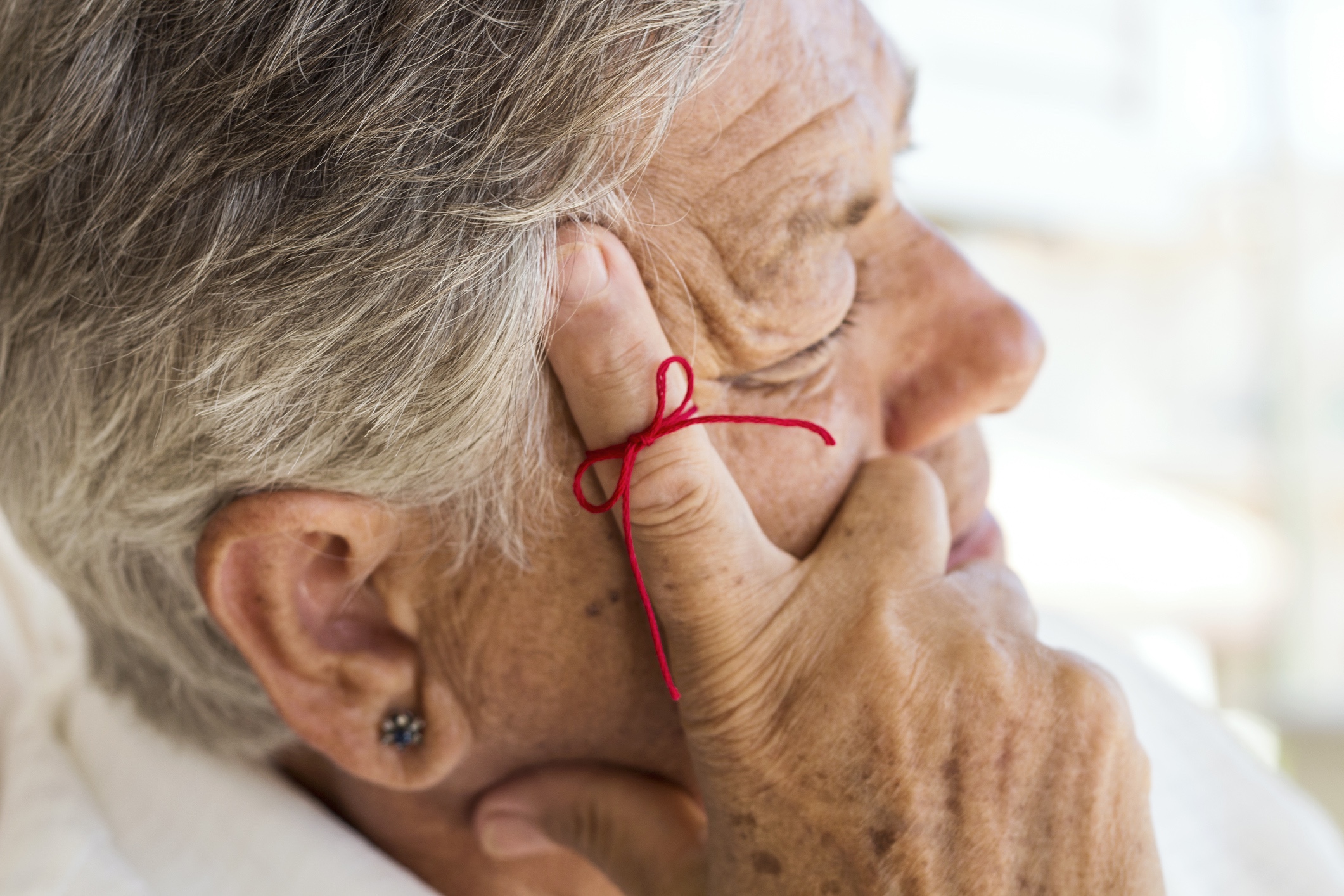
  1. Memory loss and struggling to retain new information is probably the most obvious sign that a person could have dementia.
  2. A person might have difficulty performing familiar tasks, such as getting dressed or making coffee.
  3. Language problems, such as substituting words that aren’t in context or forgetting words, might indicate dementia.
  4. Alzheimer’s patients are often disoriented in space and time. They might get lost in their own neighborhood or not know what day of the week it is.
  5. Dementia affects one’s ability to think abstractly; for example, the person may not be able to remember what the numbers on a clock mean.
  6. Impaired judgement also affects those with dementia. Someone may not dress appropriately for the weather or overlook a medical problem that obviously needs treatment.
  7. A person might misplace items or put them in strange places. One might put a pair of eyeglasses in the freezer or a necklace in the sugar bowl.
  8. Severe mood swings or changes in behavior is another symptom. Someone with dementia could go from being very easy-going to very angry, just in a few seconds.
  9. Many people who have dementia lose their motivation and interest in being around people.
  10. A dementia patient might have a change in personality, such as feeling paranoid.

Some of the signs of Alzheimer’s disease and dementia can also indicate other medical conditions. It’s important to get a professional diagnosis. From there, you can discuss the pharmacological and non-pharmacological therapies, such as music therapy, massage and aromatherapy, to help someone live a fuller life. Always do your homework when it comes to alternative therapies, because natural doesn’t mean safe or effective. Make sure all health claims can be substantiated before relying on a particular therapy. Many non-pharmacological therapies do benefit patients, but there isn’t enough research to determine their effectiveness.

Your Life Isn’t Over

Many people believe that once you’re diagnosed with Alzheimer’s disease or dementia, your life is over. By taking care of your body in the early stages and getting proper treatment, someone can live actively for a number of years. Another myth is that if your mom had the disease, you’ll get it too. Familial Alzheimer’s disease is only attributed to about 5 percent of the cases.

You can’t prevent Alzheimer’s disease, but you can reduce the risk of getting the disease by eating a heart-healthy diet, keeping your mind engaged, exercising your body and reducing your stress. The Alzheimer Society Canada has a lot of resources for those who have been diagnosed with Alzheimer’s and their friends and family members. Know the signs to get your parents or elderly loved ones to the doctor to find help.

10 Warning Signs of Alzheimer’s Disease
Memory Loss

January is Alzheimer’s Awareness Month. It’s estimated that about 750,000 Canadians live with Alzheimer’s disease or another type of dementia. Over the next 15 years, that figure is expected to increase to 1.4 million. This phenomenon is not limited to our country. It’s also happening around the world. Dementia has a high cost, not just mentally, physically and emotionally to the person who was diagnosed with the disease, but also to his or her loved ones. Economically, it costs our economy about $33 billion per year.

Although age is the biggest risk factor for dementia and Alzheimer’s disease, the disease also occurs in those in their 30s, 40s and 50s. Alzheimer’s is a progressive disease. The progression varies between individuals, but it lasts about 8 to 10 years in most people. There is no cure or effective treatment to reverse or halt dementia, but there are methods and medications that help address certain symptoms. The sooner that the disease can be diagnosed, the better quality of life for the person.

Symptoms to Watch For

  1. Memory loss and struggling to retain new information is probably the most obvious sign that a person could have dementia.
  2. A person might have difficulty performing familiar tasks, such as getting dressed or making coffee.
  3. Language problems, such as substituting words that aren’t in context or forgetting words, might indicate dementia.
  4. Alzheimer’s patients are often disoriented in space and time. They might get lost in their own neighborhood or not know what day of the week it is.
  5. Dementia affects one’s ability to think abstractly; for example, the person may not be able to remember what the numbers on a clock mean.
  6. Impaired judgement also affects those with dementia. Someone may not dress appropriately for the weather or overlook a medical problem that obviously needs treatment.
  7. A person might misplace items or put them in strange places. One might put a pair of eyeglasses in the freezer or a necklace in the sugar bowl.
  8. Severe mood swings or changes in behavior is another symptom. Someone with dementia could go from being very easy-going to very angry, just in a few seconds.
  9. Many people who have dementia lose their motivation and interest in being around people.
  10. A dementia patient might have a change in personality, such as feeling paranoid.

Some of the signs of Alzheimer’s disease and dementia can also indicate other medical conditions. It’s important to get a professional diagnosis. From there, you can discuss the pharmacological and non-pharmacological therapies, such as music therapy, massage and aromatherapy, to help someone live a fuller life. Always do your homework when it comes to alternative therapies, because natural doesn’t mean safe or effective. Make sure all health claims can be substantiated before relying on a particular therapy. Many non-pharmacological therapies do benefit patients, but there isn’t enough research to determine their effectiveness.

Your Life Isn’t Over

Many people believe that once you’re diagnosed with Alzheimer’s disease or dementia, your life is over. By taking care of your body in the early stages and getting proper treatment, someone can live actively for a number of years. Another myth is that if your mom had the disease, you’ll get it too. Familial Alzheimer’s disease is only attributed to about 5 percent of the cases.

You can’t prevent Alzheimer’s disease, but you can reduce the risk of getting the disease by eating a heart-healthy diet, keeping your mind engaged, exercising your body and reducing your stress. The Alzheimer Society Canada has a lot of resources for those who have been diagnosed with Alzheimer’s and their friends and family members. Know the signs to get your parents or elderly loved ones to the doctor to find help.

Comments are closed.

Comments are closed.