Helping Patients With Dementia Remember How to WorshipAccording to Alzheimer Society Canada, over 564,000 Canadians are living with dementia. This number is expected to almost double in 15 years. Currently, 1.1 million Canadians are affected by the disease, either directly or indirectly. Predominantly, dementia affects men and women over the age of 65 more than the young. Women over 65 are more likely to experience dementia than men, and women are more likely to be caregivers for those with dementia. About 16,000 people under the age of 65 are affected with dementia.
Understanding Dementia
Dementia generally affects the memory, but it is a complex symptom associated with Alzheimer’s disease and other conditions. Patients with dementia don’t only lose memories, they can become aggressive and agitated. Dementia patients may wander and then forget where they are. Taking care of someone with dementia is challenging, even for professional caregivers. Patients may experience delusions and hallucinations. When a person becomes worse later in the day, it’s called sundowning. The dementia patient may have more difficulty performing simple tasks that they could do earlier or might become more demanding as the evening hours approach.
Staying connected to the community is one way to help dementia patients have a fuller quality of life. It’s important to have ways to remember the things that once brought meaning to someone’s life. Rituals are often ingrained into one’s being and can offer a peace to individuals with dementia. The liturgies of faith and hymns that have been sung for years can help someone remember the feelings of solace and comfort associated with worship. Reaching a patient who is in the middle to later stages of Alzheimer’s disease isn’t easy, but researchers have discovered ways to tap into the memories of these patients through multi-sensory techniques.
What Is the Church Doing?
With so many individuals facing dementia in the next few years, the church has got to address this epidemic. No, the church can’t be expected to medically treat these people, but these are the same ones who sat in churches for years. Their pastors and church friends are also affected by the dementia. Members of a congregation want to help patients, but it’s hard to know what to do. The Church of England is re-examining its style of service to see how and what the church can do to prepare for a time when potentially millions of people are dealing with dementia and Alzheimer’s disease.
How Dementia Affects Worship and Memory
The idea is that the familiar prayers and scriptures, learned in childhood, can provide moments of clarity for the patients. For these people, it might help to go back to the original language of the King James version of the Bible in which “thy” and “thine” are used instead of the less formal “you” and “your.” Another suggestion is to use prayer books with textile covers. The church is suggesting that congregations experiment with different aspects of service to include pictures, symbols and elements of touch. Some churches have already been giving dementia sufferers items to hold during service to help them stay focused. Even when an individual can’t get to a church, these same ideas could assist during times of stress. People of faith, especially long-time believers, find that scripture provides comfort. If caregivers can tap into these memories, it might help a sufferer find clarity, just for a few minutes or maybe even longer.
The Church of England is aware that this mission will be costly, but it says that it must be a priority for the body of Christ. When you meet people where they are with worship, it brings inclusivity. It helps caregivers and patients. Let’s not forget the people who are living with dementia in our churches. What can your church do to reach out to members who have forgotten their story?
Changing Opinions on the Tradition of MarriageTimes change. No matter how much one might try to fight it, there is no stopping tomorrow from arriving. Instead of battling against the forces of the future, it can be much more rewarding to embrace change. When one learns about new attitudes on old ideas, it can spark amazing thoughts in the mind and help a person to grow and change. Marriage is a tradition that has been around for a significant amount of time. Still, it seems that recent years have brought forth many new and differing opinions on the matter.
This should not come as a surprise to anyone who has looked into the history of marriage across varying cultures. For the most part, weddings never took place for love until more recent history. The joining of two people was considered a status move in some cultures; in others, it was a way for two families to join together their assets and forge a strong union for the future. While the tradition has come a long way since then, it is important to accept that it will constantly change moving forward.
What Is Love?
As stated, love was a concept not connected to weddings until the past few centuries. While it can be nice to think about love being the driving force behind a wedding, it also can bring up questions about what love is in the first place. People struggle with the idea of love, especially romantic love, because it has been showcased to the public in specific ways through films, books, and even history. This creates unfair expectations of what love should be and how two people who are in love are supposed to behave.
In truth, there is no correct way to love someone. There are, however, healthy kinds of love and unhealthy kinds. People who are in abusive relationships are experiencing unhealthy love, where one partner holds power over another and uses it to manipulate the other in emotional ways. Healthy love is any bond that helps two people to grow and change together for the better. Celebrating healthy love in a productive way can take many unique and fascinating forms. For some, this is the act of getting married. Still, plenty of people have problems with what the idea of marriage implies.
What Is Fidelity?
With the concept of love being the cornerstone of most marriages, it brings up questions about what married life entails. For most people, fidelity is important. It is assumed that a couple will be faithful once they have tied the knot. Unfortunately, statistics tell a different story. Recent studies in the country say that more than 25 percent of married men have cheated on their partners, with married women coming in at about 15 percent. This suggests that one out of every four couples will experience problems that stem from infidelity.
For many, the act of “cheating” is one that can bring up strong emotions. Sneaking around behind a significant other’s back and lying to him or her is the true heart of the problem. While being physically intimate with someone other than a spouse might seem like the root of the issue, most couples will tell you that the lying is what causes the most stress. Though most people still do not agree with adultery, polls of younger couples suggest that attitudes about fidelity and married life are changing.
Tomorrow Never Knows
Marriage is a tradition that has been changing since it first came about and will continue to change in the future. There are no real rules to marriage. As long as you and your partner are on the same page about what you expect from each other and engage in open conversations, it will help to keep your partnership healthy and clear of any unforeseen complications.
Helpful Tips for Planning a Dry Wedding ReceptionAlthough a dry reception is not the usual choice for many newlyweds-to-be, some discover that they are gravitating towards it for several reasons. Those recovering from alcohol dependency may welcome the lack of temptation and find that it is easier to enjoy themselves. Couples trying to keep costs down might also decide to omit beer, wine, spirits, and cocktails from the menu. Finally, one’s religious beliefs or personal preferences could call for a nonalcoholic reception. Regardless of your reasons, a dry reception doesn’t have to be a dull or boring one. A few suggestions may help you plan a fun affair for you and your guests.
Desserts In the AM &PM-Hold a Morning or Afternoon Wedding
Because drinks are customarily served at evening wedding receptions, some of your guests may notice their absence. One way to make it less obvious is to plan your celebrations during a different part of the day. Brides Online recommends shifting your nuptials to the morning or afternoon. This opens up a wide range of food possibilities, such as a breakfast, brunch, or lunch reception. Your guests will have a great time sans alcohol, and you can sweeten the deal with appetizing, unconventional choices for noshing.
A Distraction With Desserts May Be Key
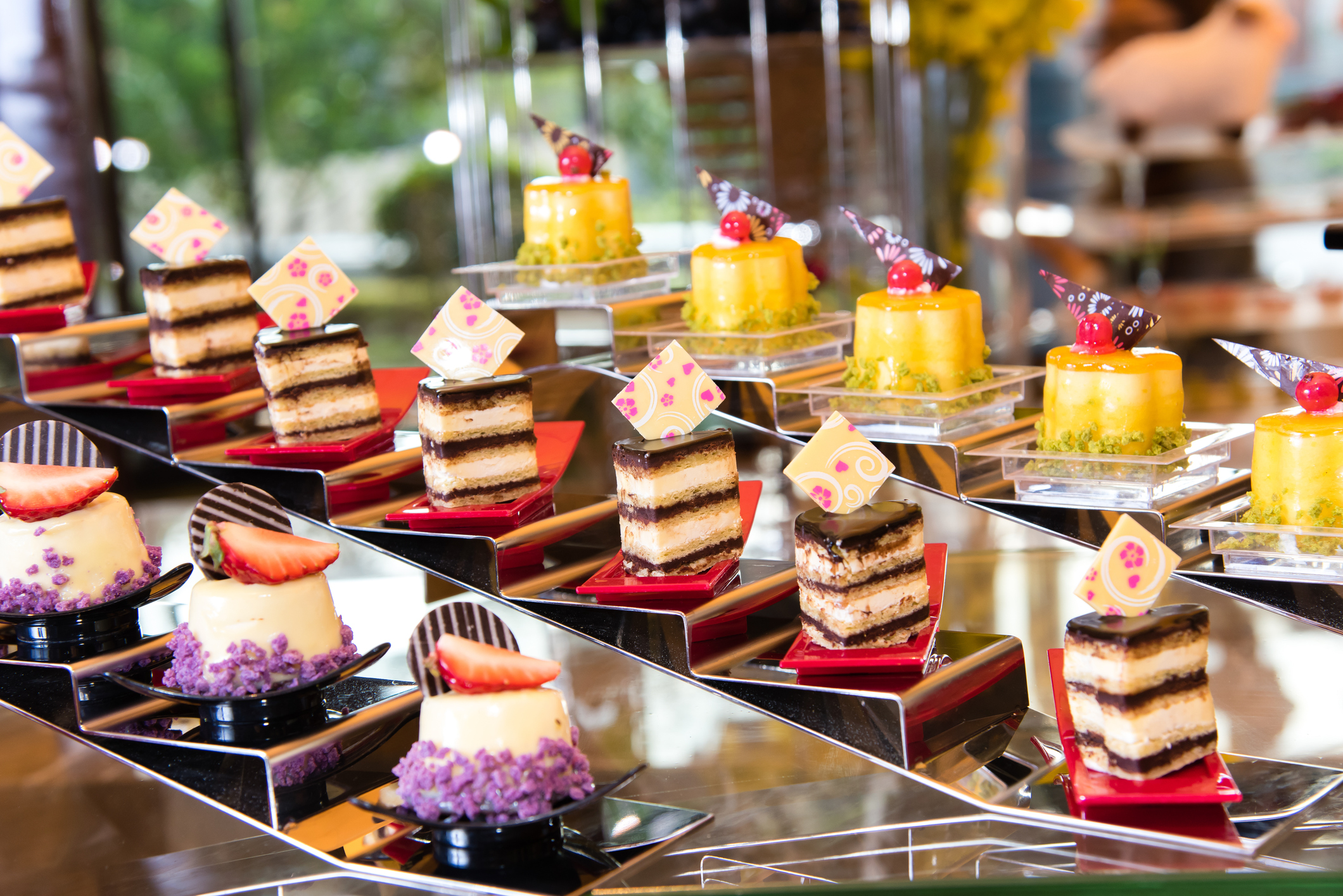
If moving your reception to earlier in the day doesn’t appeal to you, shifting the focus to something unique and unexpected can cause your guests to not even miss the drinks. A desserts-only affair is a lovely distraction, especially when distinctive coffees and teas are paired with your sugary delights. Alternatively, you might opt to make your meal the centrepiece of your celebrations, leaving your guests amazed at the food and making drinks the furthest things from their minds. Offbeat Bride even suggests hiring a superbly talented barista to craft caffeinated drinks for your party, transforming it into entertaining and sober festivities. The bloggers at The American Wedding propose even more uncommon inclusions at your reception, such as offering a candy bar for mixing and matching sweets or deliciously tempting non-alcoholic “mocktails.”
Another possibility to take the attention off the missing alcohol is to include spectacular entertainment options. While wedding disc jockeys have become more common in Canada, who says you can’t have a live band at your special night instead? Why not select a special act, such as a comedian or an illusionist, to entertain friends and family after your ceremony? Whatever you decide, make sure that it’s exciting and interesting enough to keep their attention.
Should I Tell My Guests?
While you’re planning your dry reception, the question of whether to inform your guests will likely come to mind. Opinions differ widely on this, depending on who you ask. The American Wedding proposes telling attendees in advance, to avoid any assumptions that could result in their disappointment. However, you might decide that not informing your friends and family ahead of time may be for the best. If you have potentially problematic guests who might try to sneak in alcohol or get intoxicated beforehand, they won’t be prepared for the lack of drinks and you may avoid a potential kerfuffle. Also, keep in mind that family and friends with kids may make alternative child care arrangements if they believe alcohol will be served. In those cases, you may wish to clarify whether children will be welcome at your nuptials and encourage them to attend anyway.
Fun Without the Bubbly
Planning a dry reception takes a bit of work, but the results can be enjoyable. Be sure to consider your entertainment, food, and dessert options as well as non-alcoholic alternatives for toasting such as sparkling fruit juices. If carefully arranged and executed, your teetotaling affair can be a pleasing celebration of the shared loved and lifelong devotion between you and your partner.
The Birthday of BuddhaTo many Buddhists, Vesak is one of the most important celebrations in their faith. On Vesak, Buddhists rededicate to the dharma and their path. Flowers and offerings are brought to the temple. In the evening, there may be a candlelight vigil. Some communities even have parades and festivals. Usually, the celebration of Buddha’s birthday is close to Vesak, which makes for a fun celebration. Unlike Christmas, which has a set day in the Gregorian calendar, Buddha’s birthday is based on the Asian lunisolar calendars. It typically falls in the spring in either April or May but can often be as late as June in a leap year. In 2016, it falls on May 14.
Asian Celebrations
In many Asian countries, Buddha’s birthday is a national holiday. In South Korea, it is one of the largest cultural festivals within the nation. People hang lotus lanterns at the temples during the entire month. Temples often provide free meals and tea on Buddha’s birthday for all visitors. In Vietnam, before the fall of Saigon, Buddha’s birthday was a national holiday. That changed in 1975, but it is still celebrated there.
Malaysia celebrates Vesak Day by gathering at the temples at dawn for meditation. Throughout the day, many different festivities take place and food is given to the needy. There will be a candle processional to conclude the day. Sometimes, Buddhists will set caged animals free as a symbol of their enlightenment.
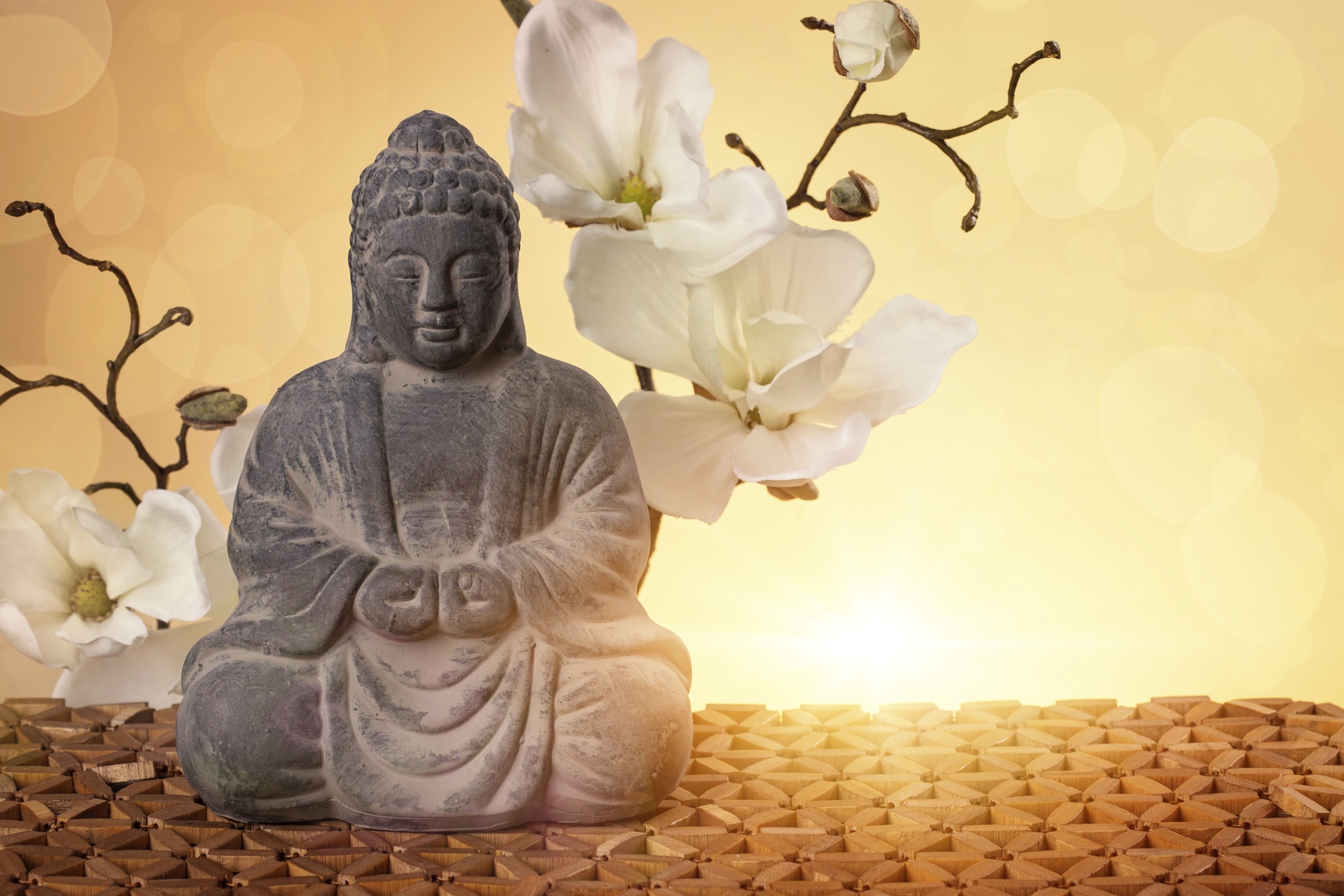
In Japan, the celebration is not a public holiday, but it is widely celebrated. There is a legend in Japan that a dragon came out of the sky on Buddha’s birthday and poured soma, a tea-like liquid, on him. One of the ways Buddha’s birthday is celebrated in Japan is by pouring sweet tea over the Buddha statues.
India also considers Buddha’s birthday, or Tathagata, a public holiday celebrated by the dates of the Indian calendar. People in this country may dress in white and will avoid all non-vegetarian food. One traditional food offering is kheer, representative of the milk porridge which Sujata offered to the Buddha.
Buddhism in Canada
Although Buddhists are one of the smallest minorities in Canada, there are still many opportunities to explore their culture. Soka Gakkai International is a lay Buddhist organization and has a Canadian website: sgicanada.org. It offers many resources for education about Buddhism. Representatives of SGI are available for exhibitions and school presentations to help your community learn more.
Toronto is probably the largest center of the Buddhist faith in Canada, but that’s not to say there aren’t groups throughout the provinces. On the website ahandfulofleaves.org, you can find a small booklet written by Bruce Matthews. Download “Buddhism in Canada” to understand how the faith grew in the nation. Matthews suggests that it was due to the refugees who entered the country in the latter part of the 20th century, but there are other factors at play. The A Handful of Leaves website offers many more reading materials to help understand the Buddhist culture.
The Tibetan Canadian Cultural Centre is in the city of Etobicoke, near Toronto, and offers many programs and services that are open to everyone. A small group of 500 Tibetans came to Canada in the 1970s seeking refuge. About 350 settled in Ontario, and now the community has around 4,000 individuals who want to preserve their culture in their new homeland.
Buddhism is often considered to be a philosophy, a way of life, and/or a religion. Many people are drawn to Buddhism because of the calmness it offers and the enlightenment it promises. You don’t have to agree with its teachings to appreciate its rich heritage and history. You build relationships when you understand the culture.
Understanding RamadanBeginning on June 6 and continuing through July 5, you might see Muslim coworkers decline that breakfast snack or lunch without commenting why they’re abstaining. Instead of going to the annual picnic or other summer activity, your Muslim colleague may be more focused on his or her spiritual life. No, they aren’t being anti-social or standoffish. It’s simply Ramadan, the month of fasting observed by Muslims worldwide. Here is some information about the month to help you understand the importance of the holiday to your friends and coworkers.
Fasting and Sacrifice
One of the key elements of Ramadan is fasting. From sunup to sundown, Muslims abstain from food and drink. Fasting is one of the five pillars of Islam, but there are exceptions to those who are required to fast. Children, the elderly, and those who are ill, pregnant or breastfeeding do not have to abstain. Many people who do not fast will make it up at a later date. Sometimes, children will try to complete a fast in preparation for their adult years.
Food and drink are not the only things that Muslims abstain from during Ramadan. It’s a time to give up bad habits, such as smoking, arguing, gossiping, lying, and swearing. Married couples will abstain from sex during the month. The point of the fast is to stay focused on the spiritual and to be submissive to God. They may avoid complaints and getting mad during this time.
Prayers and Quran
To help focus on the spiritual, Muslims will perform extra prayers at night during Ramadan, but the prayers are not compulsory. Another practice that Muslims are encouraged to do during Ramadan is to read the entire Quran. This might be through special prayers at the mosque, when one-thirtieth of the Quran is read every night.
It’s Not Just a Somber Celebration
Before daybreak, Muslims do partake in a meal. It’s recommended to eat healthy, opting for slow-digesting foods, such as lentils, barley, and oats. This pre-fast meal is called the Suhar. Following this meal, morning prayers will be said.
At the end of the day, it’s traditional to break the fast by eating dates, because this is how Muhammad broke his fast. After the dates are eaten, Muslims will say more prayers before their evening meal is served. This meal, called Iftar, is commonly a social gathering and will be served buffet style. Practically every country has its own traditions. In Muslim countries, there may be a signal to end the fast, such as cannons or drums. Many countries with a large Muslim population will decorate with lights or lanterns.
Work doesn’t stop during Ramadan, but some countries do amend work schedules for the month. The U.A.E. labor law says that the maximum working hours during Ramadan are 6 hours per day, 36 hours per week. Many countries in the Middle East have similar statutes. Unfortunately, these countries also have severe penalties for not fasting and adhering to the customs. In Kuwait, if someone is seen eating, drinking, or smoking during the day, he or she might face a fine or jail time of up to one month.
In the United Kingdom and the United States, employers should not treat individuals celebrating Ramadan less favorably. It is advised that employees let employers know that they are fasting, but these employees should not suffer a disadvantage because of their fast. The information is not provided to receive sympathy, but for understanding and health implications.
If you have a coworker who is fasting through Ramadan, be understanding. While you don’t have to give up lunch, be respectful during this time. Plan meetings for a different time than lunch. Don’t be offended when someone turns down an invitation. Know that it’s a special time of spiritual growth for that individual.
Photographing Something Worth RememberingWeddings can be weird. Even though these events are supposed to be important celebrations, they can often feel forced. This is because most people are very aware of how others have celebrated their weddings. You need to be on Facebook for all of five minutes before you scroll across an old friend or colleague who has posted photos from his or her recent wedding. On top of this, you’ve probably been to a fair number of weddings in your time. These preconceived notions of what a wedding should be can be overwhelming.
When you are trying to plan for your special day, you may run into a couple of obstacles. Seeing enough images of weddings can make you feel like you’re not living u p to some invisible standard. Luckily, this is a natural anxiety. Remind yourself that it is your wedding and you can plan it however you like. Putting your own spin on aspects of the event can be a great way to feel like you’re taking control of a day that is supposed to be important to you and your partner.
Giving the Guests Control With Photography
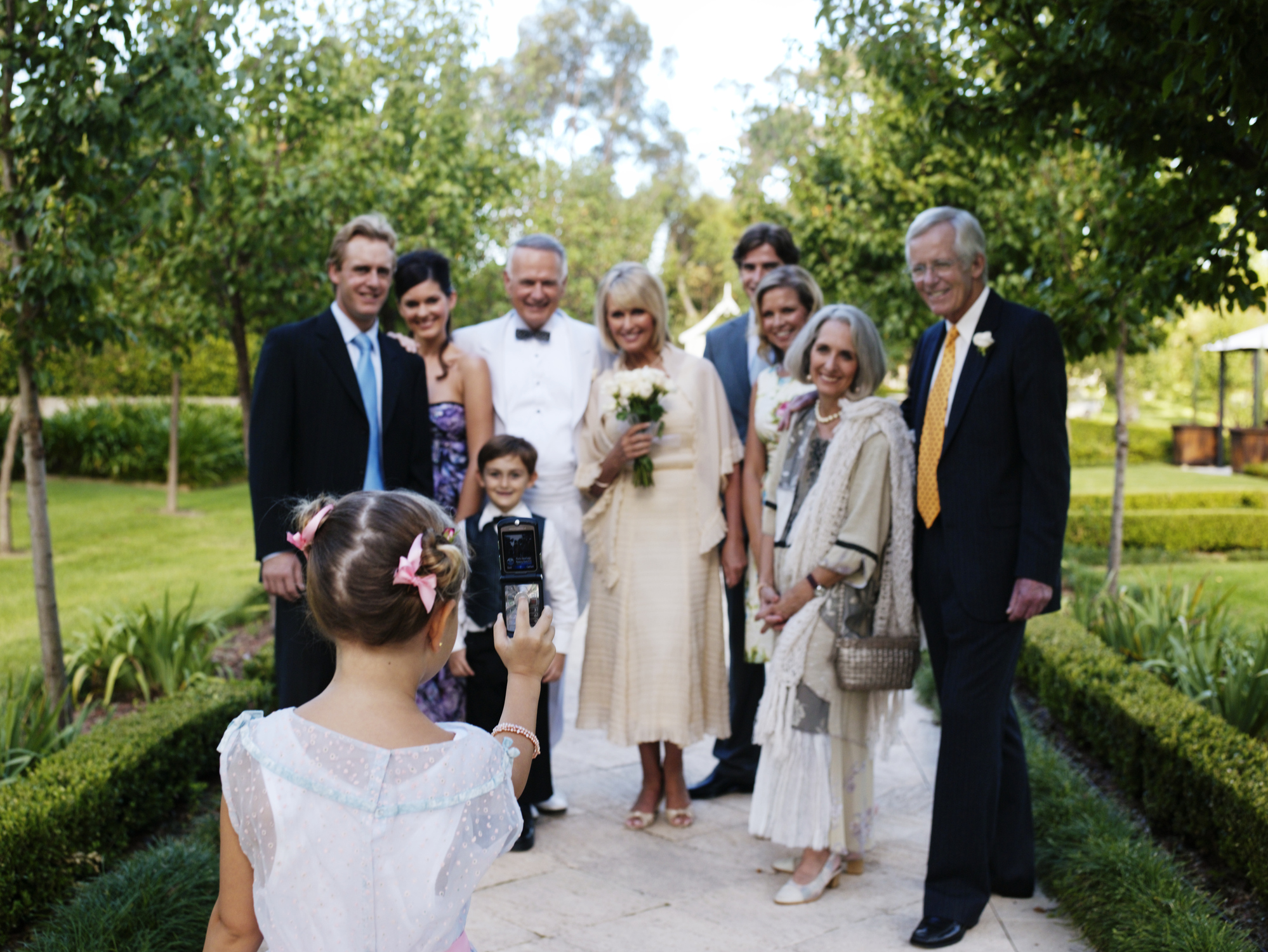
Hiring a wedding photographer is a wise move for your special day. You want to have someone rushing about, looking for the perfect shots, and bringing you to the side to get some classic posed pictures of you and your significant other. Of course, you might want more from the photography. Instead of relying solely on your wedding photographer to capture each moment, you can try your hand at giving some of the photo control to the guests. Handing out disposable cameras to each table at the wedding is one way couples have tried this tactic in the past.
Disposable cameras are an awesome option, but they are not super practical these days. Fewer places develop film, which means you might have to pay a bit more than you would like for the processing. Digital cameras can also prove problematic and are expensive to buy for a one-time use. Renting Polaroid cameras is a very popular trend for couples. Finding a service that provides the cameras and film can help you capture intimate moments shared during your wedding and deliver beautiful prints immediately.
Go a Different Route With Photography
Wedding photography is a process that starts slightly before the wedding ceremony and ends when you receive your photos from the photographer. The editing process is one of the more important aspects of this journey. If you want to explore a different path for your photos, you can see what editing options are available to you. Crafting the right atmosphere in a photo can completely transform the way you feel about the images. Instead of typical photos that are evenly lit and traditionally framed, you can opt to have the photos edited to give them more exciting or ethereal feelings.
When selecting your wedding photographer, be sure to have a conversation about editing. Ask what is possible from your photographer and be sure to discuss your personal aesthetic. A good photographer will be able to help you find the right mood for your photos by listening to your likes and dislikes and formulating a design plan on the spot. Looking through a photographer’s portfolio can be useful and help you to see the diversity and range that the person is capable of. Considering this angle from the start can help your plan take form.
The Complete Photography Package
Your special day is one you are going to want to remember for the rest of your life. Consider playing around with ideas like renting instant cameras to add new dimensions to the photography that emerges over the course of the night. No matter what option you pick, you can feel excited that you will get to see some amazing shots.
A Few Fast Tips for an Eco-Friendly WeddingThe quest to plan an eco-friendly wedding is one that consumes many Canadian newlyweds-to-be who seek to reduce their environmental impact. The degree that you incorporate green principles into your nuptials is entirely up to you. Some opt to go green all the way, while others choose a few key areas of impact that they believe will make the most difference. No matter what your preferences are, some useful hints to reduce your special day’s carbon footprint may prove helpful as you make your own arrangements.
It All Starts With Your Eco Venue
Top wedding planning resource TheKnot recommends examining your choice of ceremony and reception site first in your endeavor to go green. Outdoor celebrations will use the least amount of energy, especially if you plan your affair to begin or end before sundown. Thankfully, most locations include modern essentials such as toilets and indoor plumbing, so you needn’t worry about “roughing it.” For added grandeur, consider booking a botanical garden, refurbished barn or beach to say “I do.” Keep in mind that depending on your chosen venue, you may need to rent basic amenities such as tables, chairs, canopies and other types of shelter. Also, be sure to have an alternative rain location as a backup.
Green Invitation Ideas
According to Green Living, most etiquette experts still favor the use of paper invitations. However, recycled versions may be just the thing for your nuptials. Choose a high-quality type of reconstructed paper for your invites, responses and thank-you cards. For everything else, there’s the internet: New York Times staff writer Mireya Navarro suggests setting up a wedding website to communicate with and disseminate information to your attendees.
Something Old or Something New?
If you’ve no reservations against donning re-worn attire, this can be another avenue to make your special day more ecologically friendly. You may have the option of wearing an heirloom gown or suit from another member of your family if you’re close to the same size as the available garments. Nevertheless, vintage stores or consignment shops might reveal other great finds. Tuxedo or suit wearers may have an advantage in this department, as tradition already supports the incorporation of rental formal apparel. Just be sure to visit your vendor of choice plenty of time in advance to have proper measurements taken and for your suit to be customized to your body’s shape and height.
A Real-Life Eco Canadian Wedding
If you’re still doubtful as to whether an eco-friendly wedding can be successfully staged, you may want to look to an Ontario couple featured in a 2016 Boho Weddings piece for inspiration. The happy couple, Katrina and Sean, selected a woodland-themed setting while custom tooling other details that were simultaneously lovely and environmentally sound. The Kortright Centre of Conservation in Woodbridge, famous for its environmental education and sustainability efforts, served as their ceremony and reception site. With this venue choice, they maximized their use of natural light while the location’s native beauty served as the perfect backdrop to proclaim their shared love before family and friends. The couple also adopted a unique approach to their wedding favors, offering a selection of their favorite used books to their attendees.
A Plethora of Ideas From Which to Choose
Of course, these aren’t the only aspects of your wedding in which you can make greener selections. Sourcing locally produced food for your reception dinner or selecting organically grown flowers are just a couple of other ways you can make your celebration more environmentally friendly. With tons of ideas online, you have many avenues in which to customize your nuptials to decrease your carbon footprint. With a little ingenuity, you’ll join the growing number of Canadians committing to greener living and greener celebrations.
Tips for Writing Thank-You Notes for the Newly Married CoupleIt seems as if sending letters through the mail is passé. While most of the time it’s okay to send your friends an email or text instead of a snail-mail message, there are at least two times when electronic messages are discouraged. When you have a friend that passes away, you should take the time to write a note or card and mail it. This lets the family open it when they’re ready. It’s just good etiquette.
Thank-you notes for wedding gifts are another time when you (and your spouse) should send a handwritten note. Your guests took time to give you a special gift. It’s customary to send the thank-you in the mail. The task can be overwhelming, but it doesn’t have to be. Let’s look at some ways you can make it easier to get these notes out in the mail. You cannot post a generic thank-you on your website or send a form email to your guests.
As the Gifts Come In
- Be responsible and track what gifts you’ve received and from whom. This will make your life much easier later.
- Put someone in charge of tracking gifts at each shower and taping cards to gifts for later.
- Have someone you trust take care of wedding gifts received at the reception. Give that person a roll of tape to attach cards to gifts before transport.
- Spend one evening writing thank-you notes for bridal shower gifts. Ask your spouse to help. This eliminates having to write so many after the wedding.
- Acknowledge shipped gifts when you receive them, which is another way to save time after the wedding. This also lets the recipient know the gift has been received.
- Order custom thank-you cards before the wedding when you’re ordering invitations to have them ready to go. Have stamps on hand, too. This lets you choose the stamps you want to use.
- Print out return address labels or order them. Have two sets: one for before the wedding and one with your married name.
- Separate notes are required for each gift at each party. You should not write one note to one person who attended the engagement party, bridal shower and wedding and gave you three gifts.
After the Wedding When You’re Writing Notes
- Personalize each card. Reference the individual who gave you the gift and the gift itself.
- Don’t feel as if you have to gush. Just be enthusiastic.
- Don’t mention that you might return the gift.
- For monetary gifts, mention how you used the funds. It’s okay not to mention the amount, but you can if you choose.
- If you want to use wedding photos in the cards, make sure you can get them back promptly. Don’t delay sending notes because you’re waiting on photos.
- Don’t use form letters or a pre-printed card.
- Both of you should be involved in sending notes, no matter which side of the family gave the gift. This may be the first time you and your new spouse have to work together after the ceremony.
- Do the thank-you notes in batches, say 20 every evening. It won’t take long to knock them all out and you won’t get so burned out as you do them.
- If you aren’t familiar with the gift-giver, use formal greetings. It’s okay to address someone as “Mrs. Smith” if that’s how you know her.
- It’s also very nice to address their presence at the wedding. You might even wish to send notes to everyone who attended.
No, you don’t have a year to write thank-you notes. At one time, that might have been the rule, but it’s not today. Get those notes out ASAP, within a month of your wedding. Your job isn’t done until the thank-yous have been sent.
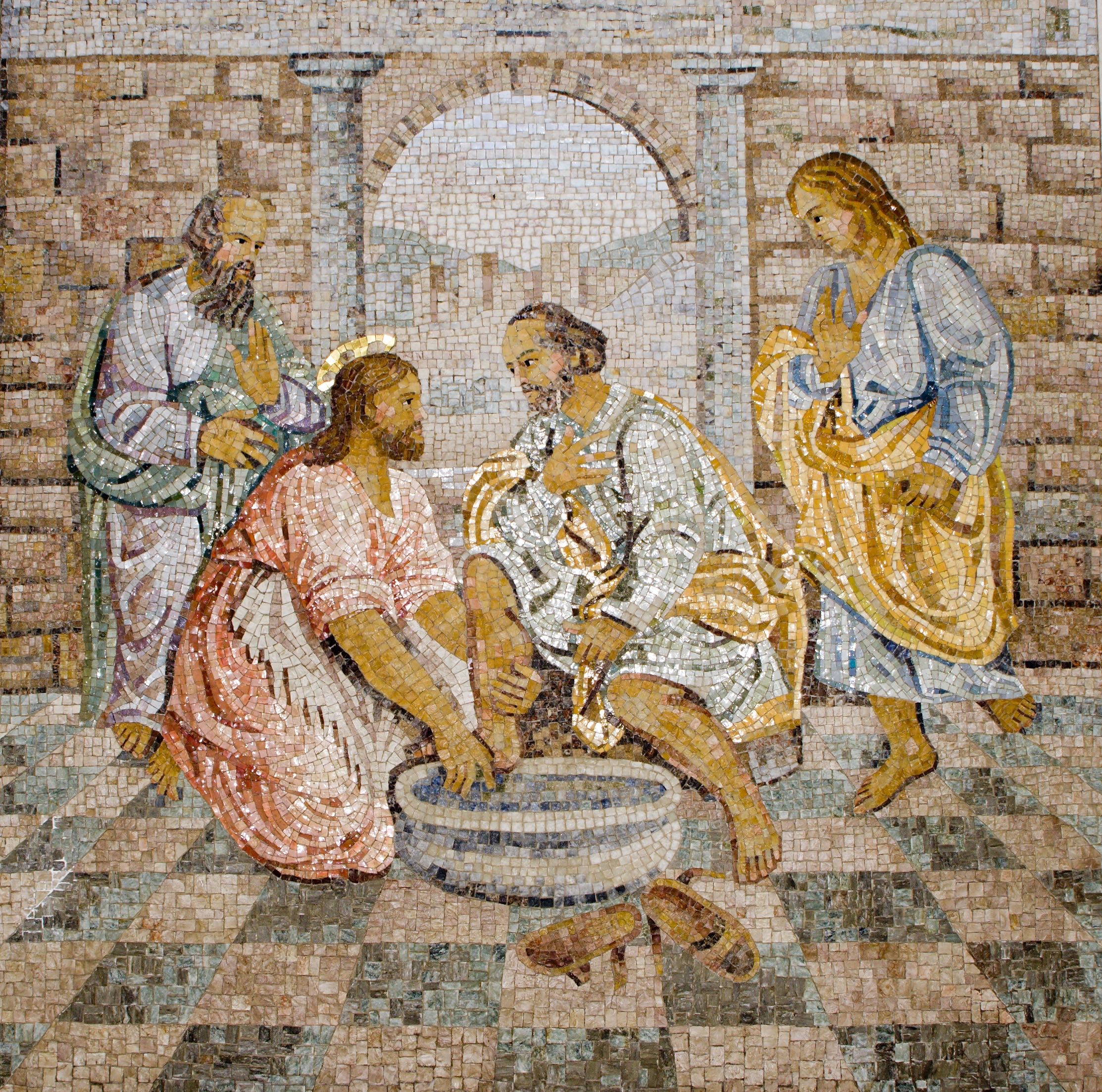
Why the Pope Washed the Feet of MigrantsMost people, even if they don’t have a Christian background, understand the reason Easter is celebrated in the church. There are a number of customs that can seem strange to outsiders, especially when the event is highly publicized. For example, just recently Pope Francis made headlines around the world because he washed and kissed the feet of Muslim, Hindu, and Christian refugees. If you’re wondering why it’s such a big deal, here is a basic primer on foot washing.
Biblical References to the Custom
In ancient cultures, sandals were the most common footwear. Hosts would provide water and towels for guests to wash their feet when they came to visit. Foot washing was just a custom of hospitality. In the Bible, the Old Testament references the practice in I Samuel, when Abigail offers to wash the feet of King David’s servants. In this passage, foot washing is a sign of humility, where the hostess lowers herself to a servant’s job in order to honor her guest. However, the custom is also mentioned in many other books of the Torah.
The practice of foot washing is not limited to the Old Testament. In the New Testament, Mary of Bethany used precious oils to anoint the feet of Jesus to thank him for raising her brother, Lazarus, from the dead. A few days later, Jesus took the time to wash the feet of his disciples during what Christians call the Last Supper. He did this as an example for them, to tell them that “…the servant is not greater than his lord…” (John 13:15)
Many religions now associate the practice with their Holy Week services. Multiple rites are performed the week before Easter. Thursday before Easter is called Maundy Thursday. The word “maundy” is from the Latin, and it means “command.” Jesus commanded his disciples to “love one another as (he) loved (them).” On Maundy Thursday, the religious leader in the church washes the feet of his/her congregants.
Pope Francis Changed Tradition
In the Roman Catholic Church, the foot-washing tradition was not connected to the Maundy Thursday mass until Pope Pius XII made it part of the mass. Traditionally, 12 men or boys were chosen to have their feet washed by the Pope with help from his ministers. For many years, this ritual has been restricted to the men. Pope Francis broke with tradition in 2013 and washed the feet of two women during the Mass of Maundy Thursday. In January 2016, Pope Francis actually revised the Roman Missal to permit women to take part in this rite.
Another tradition in the RCC was that only Catholics could take part in the Maundy Thursday ritual of foot washing. Pope Francis again broke with tradition when he included both men and women who were not only not Catholic, but not even Christian. Of the eight men who took part in the ceremony, four were Catholic refugees from Nigeria, three were Muslims from Mali, Syria, and Pakistan, and one was a Hindu man.
Pope Francis has worked hard to be an example of living in peace with other religions and cultures. Opening the foot washing ceremony to those who are not Christian demonstrates his inclusivity of all as “children of God.” Francis said, “We want to live in peace, integrated.”
Here is one of the most powerful leaders in the world, who is respected in countries that aren’t predominantly Catholic. Pope Francis humbled himself to serve refugees who are without a country. It is a big deal when you understand that historically, the RCC has been exclusive for so many years. You don’t have to be Christian to appreciate his message of living together in harmony, even with those who don’t share your beliefs.
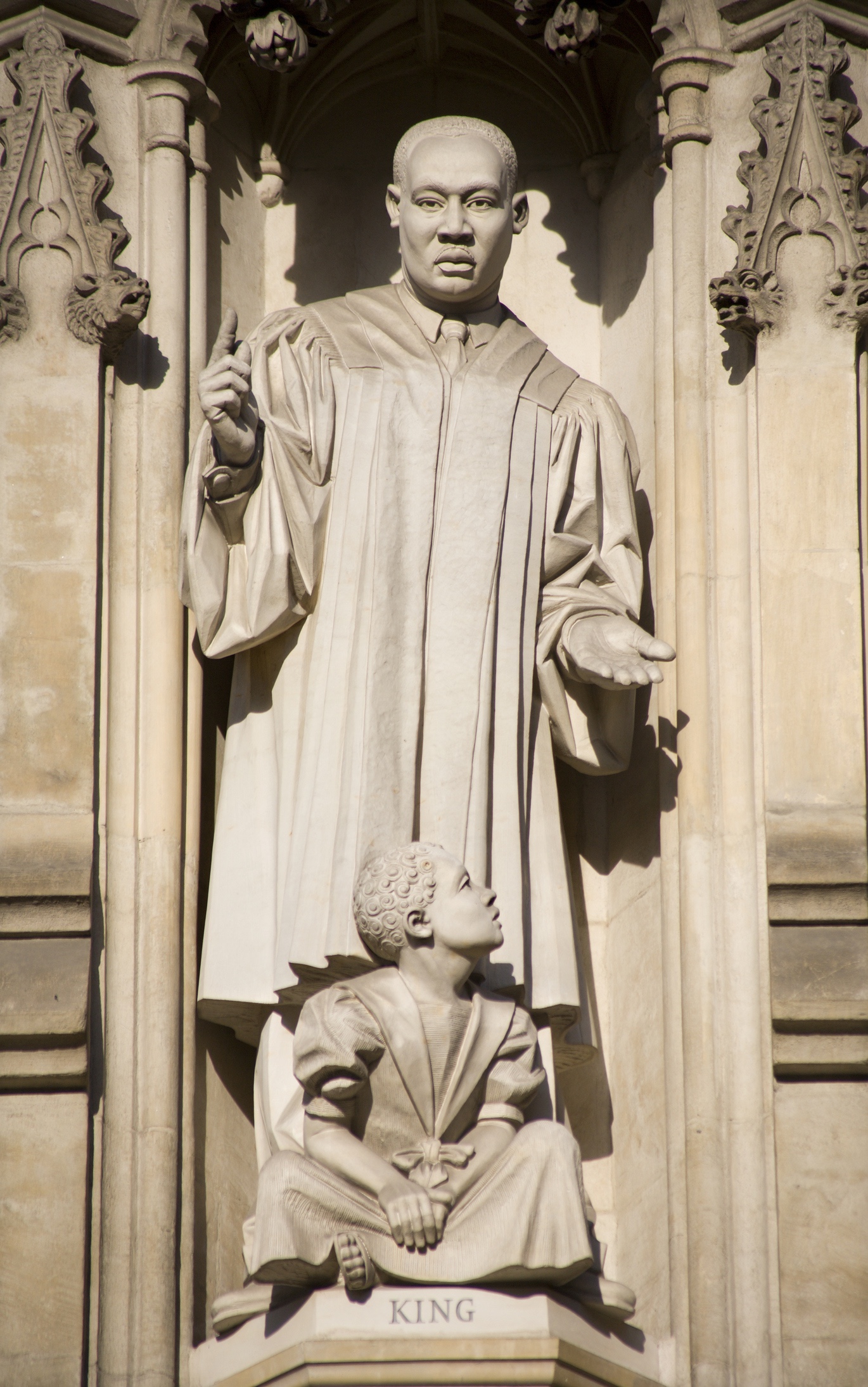
The Legacy of Martin Luther King Jr.In the United States, the birthday of Martin Luther King Jr. is celebrated on the third Monday of January. It’s a federal holiday, and government offices, schools and banks are closed. Here in Canada, Toronto recognizes the day, although most businesses and government offices remain open. King was important to the civil rights fight in the United States, but his legacy is international. He insisted on social change and asked the government to re-prioritize its efforts to focus on Americans instead of a war around the world.
It was 1967, Canada’s 100th birthday, when King was invited to speak at the Massey Lectures, an annual series dedicated to thinkers and philosophers. Here’s just one section from the famous lecture penned by King:
“Canada is not merely a neighbor to Negroes. Deep in our history of struggle for freedom Canada was the north star. The Negro slave, denied education, de-humanized, imprisoned on cruel plantations, knew that far to the north a land existed where a fugitive slave if he survived the horrors of the journey could find freedom. The legendary underground railroad started in the south and ended in Canada. The freedom road links us together.”
Janet Somerville, who would go on to become the General Secretary of the Canadian Council of Churches, believed King was a living prophet. She worked with King to record his message to the Canadian people, and a friendship was forged. In January 1968, King would ask her to come to America and work with him to “heal a sick nation.” Somerville deferred the appointment, requesting until fall to make a decision.
Just three months later, in April, King was assassinated. Somerville said the man was instrumental to finding her path in the church. Canada was a safe haven for African-Americans during the Civil War of the United States, and our country has fought for civil rights for all for a long time.
King’s Legacy
In 1964, King was awarded the Nobel Peace Prize. At the time, he was the youngest person to receive the award. He held at least 50 honorary doctorates and degrees from universities around the world. One is from Newcastle University, in the United Kingdom. He was the first African-American so honoured by the University. He was given a posthumous Presidential Medal of Freedom. Time magazine named him as the Person of the Year in 1963. Thirty-seven years later, he was listed as number six in the Person of the Century poll by the magazine.
His legacy is not limited to the United States, although he does have many monuments, schools and landmarks in his honor. Internationally, he’s remembered for his activism. In New Delhi, India, a plaza commemorates King and Gandhi together. There’s a school named after King in Accra, Ghana. King and his wife, Coretta Scott King, both have forests named for them in Israel. In Debrecen, Hungary, there is a church named in his honour.
Do something this year in his memory. It might be something as simple as reading one of his speeches or biographies. Find the documentary “To Heal a Sick Nation” by Harry Belafonte, who was a close friend of King. The documentary delves into King’s activism.
Here’s another quote from King’s Massey Lecture:
“One of our spirituals, Follow the Drinking Gourd, in its disguised lyrics contained directions for escape. The gourd was the big dipper, and the north star to which its handle pointed gave the celestial map that directed the flight to the Canadian border. So standing today in Canada I am linked with the history of my people and its unity with your past.”
Our country is directly connected to the civil rights movement in the United States. We should remember this man who worked so hard.